Viacom, the parent company of Nickelodeon, is suing Houston based pop-up restaurant claiming that it’s SpongeBob SquarePants theme in violation of multiple trademarks. Viacom claim that The Rusty Krab restaurant is blatant rip-off of the cartoons famous The Krusty Krab.
The multiple trademarks include names, images, characters, and re-creations of details from the cartoon. Not only is the restaurant decked with trademarked features, but it’s also advertised as “Houston’s VERY FIRST SpongeBob SquarePants Inspired Pop-Up Restaurant and Bar!”.
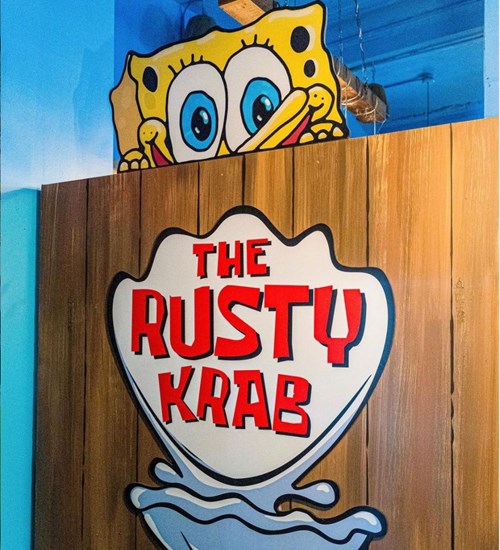
Viacom claims Rusty Krab’s marketing targets children and SpongeBob fans to deceive the public into thinking it’s officially affiliated with the show. The Rusty Krab social media account, which uses images of the characters, has received “numerous public complaints from concerned parents who, after paying high ticket prices believing they would get an authentic SpongeBob SquarePants experience, voiced disgust at the Infringing Restaurant’s purportedly unsanitary conditions and unsafe food.”
A disclaimer on the Rusty Krab’s website reads: “We are not affiliated, associated, authorized, endorsed by, or in any way officially connected with Nickelodeon, or the Spongebob brand directly, or any of its subsidiaries or its affiliates. This is Kefi HTX’s artistic adaptation recreation of an amazing series that added value to our childhood!”
In the lawsuit, Viacom alleges that the pop-up is “a bad-faith attempt to capitalize on the success of the SpongeBob SquarePants franchise,” arguing that the restaurant’s branding is specifically targeted towards children despite serving a menu of mostly alcoholic beverages. According to Viacom, associating any SpongeBob marks with alcohol is a violation of its licensing terms for any product. They have also accused the restaurant of illegal cybersquatting for using the phrase “Rusty Krab” in its domain name.
Viacom claim that the actions of The Rusty Krab harm the “trusted Nickelodeon brand,”. In the cease and desist, they have asked that the pop-up’s parent company, Pixi Universal, immediately cease using any SpongeBob trademarks, images or names affiliated with the show. Viacom are also seeking $350,000 in compensation for reputational damages, any profits from the pop-up’s sales, and a 10 percent royalty fee.
This story highlights the importance of protecting your brand from reputational damage by securing your trademark. If you have concerns about unauthorised use of your trademark, or if you’ve not protected your brand yet, contact our experienced team for advice.
Image: The Rusty Crab
Questions about this
Why did Viacom take action against the Rusty Krab pop-up restaurant?
Viacom, the parent company of Nickelodeon, claimed the Houston pop-up’s SpongeBob SquarePants theme infringed multiple trademarks, including names, images, characters and recreated details from the cartoon. It alleged the marketing targeted children and fans to make the public think the venue was officially affiliated with the show, and objected to the brand being linked with a mostly alcoholic menu. It sought $350,000, profits from sales and a 10 percent royalty.
 Answered by Jonathan Paton, Founder & CEO
Does a disclaimer stop a themed business infringing a trademark?
Not necessarily. The Rusty Krab’s website carried a disclaimer saying it was not affiliated with or endorsed by Nickelodeon, yet Viacom still pursued a claim alleging the branding and marketing were designed to look official. A disclaimer may carry little weight if the overall use of protected names, images and characters suggests a connection to customers, so it is worth taking advice before building a business around another brand.
Answered by Jonathan Paton, Founder & CEOCan using a brand’s name in a domain name cause legal problems?
Yes. Viacom accused the pop-up of cybersquatting for using ‘Rusty Krab’ in its domain name, alongside its trademark claims. A domain that echoes another business’s well known name can form part of an infringement complaint, particularly where it helps create the impression of an official connection. Owning a domain does not protect a brand either, because a trademark owner can, in some cases, take the domain from its holder.
Answered by Jonathan Paton, Founder & CEO