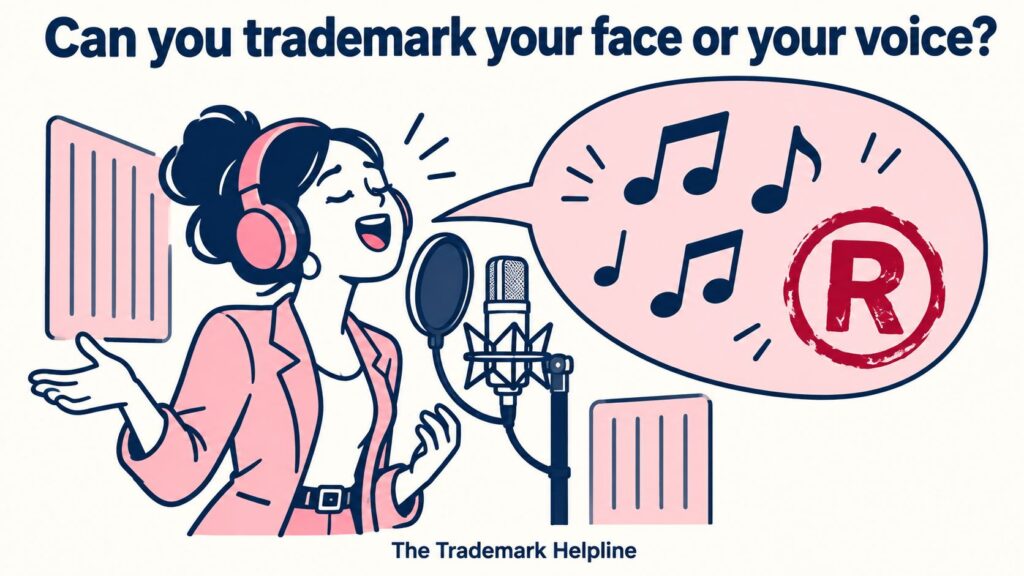
In the right cases, yes. You can trademark your face as an image and your voice as a short sound clip, provided you use them in business and they’re distinctive. In June 2026 the UK IPO registered darts player Luke Littler’s face (UK00004350490) across 11 classes, so this is no longer a theory. It sits alongside our wider personal brand protection work.
Cole Palmer’s company has registered his shivering goal celebration as a motion mark, and in the US Taylor Swift’s company has applied to register clips of her speaking voice. AI has made faces and voices cheap to copy. A trademark is one of the few rights that already exists and that platforms recognise.
How does it work?
Since January 2019 the UK IPO has accepted marks filed as sound and video files. You file a face as an image and a voice as a short clip, usually a phrase people associate with you. Like any trademark, it covers specific goods and services.
What do you get if you trademark your face or voice?
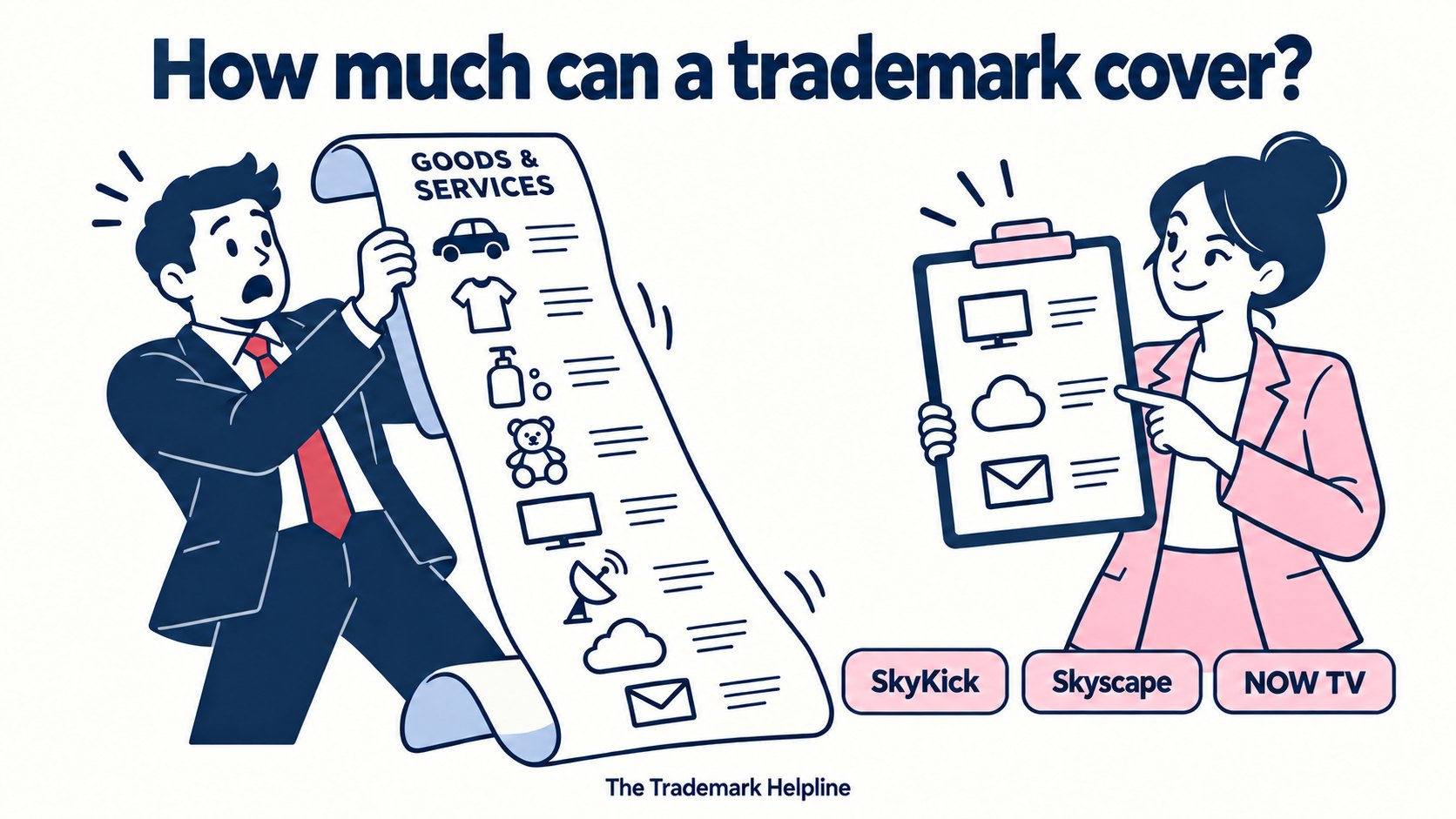
You get control over that image or clip, and close copies of it, when somebody uses it in trade for the same or similar goods and services. It also covers use that takes unfair advantage of your reputation. It doesn’t cover every photo of you, every impression of your voice or every possible AI likeness. It doesn’t cover news, commentary or private use. And if you don’t use it commercially within five years, somebody can apply to cancel it.
No UK court has yet tested a voice mark against an AI clone. That’s a reason to be realistic, not to do nothing: when a fake advert appears, the registration is still the document a platform asks for.
Is it right for you?
If your face or voice is part of how you earn money, as a speaker, presenter, coach or creator, it’s worth a conversation. If not, registering your name and keeping watch for fakes is usually the more proportionate start. We looked at the bigger picture in why Taylor Swift trademarking her voice matters to UK brand owners.
Want to talk it through? Book a free 15 minute call, email enquiries@thetrademarkhelpline.com or call 0161 833 5400.
Related questions
- Can I trademark my own name?
- Does UK law protect your likeness from deepfakes?
- How do I protect my name, face and voice, and control what people find when they research me?
This answer is for information purposes only and does not constitute trademark advice or guidance. Last reviewed 2 November 2026.