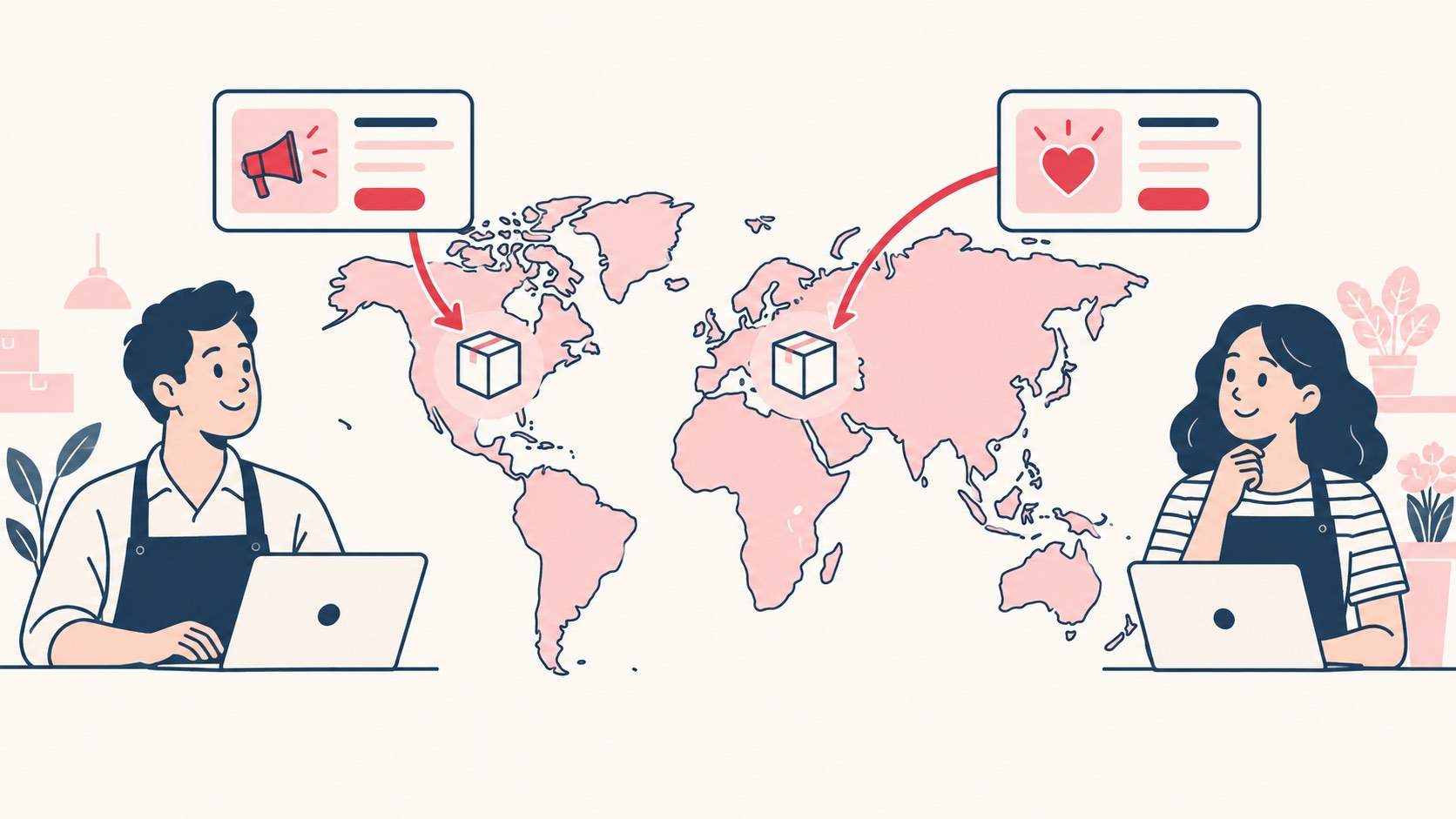
Why do some brands have different names in different countries? Quite often it’s because the name wasn’t available there: someone else already held the trademark in that country, so the brand had to trade under something else. It isn’t always a trademark issue. Sometimes a business is bought and keeps its local name, and sometimes a name simply doesn’t work in another language. But trademarks are territorial, and a registration in one country gives you no rights in the next, which is why we plan international trademark registration for clients country by country. An unavailable name is one of the most common reasons a brand ends up with different names in different countries.
I had two conversations in a single day recently with clients discussing exactly this: using a different brand name in another country because the trademark there was already taken. It’s more common than you might think, and some of the best-known examples are on every high street.
Why is Burger King called Hungry Jack’s in Australia?
Because the Burger King name was already registered in Australia when the chain arrived. According to a 2008 study in the Northwestern Journal of International Law & Business, a small takeaway in Adelaide had registered the BURGER KING mark there first, and attempts to buy it failed. The Australian franchisee opened under a different name, Hungry Jack’s, borrowed from a pancake mix brand owned by Burger King’s then parent company, Pillsbury.
The first restaurant opened in Perth in 1971, as Hungry Jack’s own history records. The same study notes that the franchisee’s principal, Jack Cowin, eventually acquired the Burger King mark in Australia in the mid-1980s. Today the chain still trades as Hungry Jack’s.
It’s a useful story because it shows both sides of the problem. The owner of a global brand was blocked by a much smaller local business, simply because that business registered first in its own country. And the name it was forced into ended up with real value of its own.
Why is Axe called Lynx in the UK?
The honest answer is that the owner doesn’t say. Unilever’s brand page says Axe was founded in 1983 and is also known as Lynx, the name used in the UK, Ireland, Australia and China. I’ve seen the difference put down to a trademark conflict, but I haven’t found Unilever confirming that, so I won’t state it as fact. What it does show is that one company can run the same product under two names for decades.
Why is Lay’s called Walkers in the UK?
This one isn’t about a blocked trademark at all. Walkers was an established British brand before it joined PepsiCo, the owner of Lay’s. According to the International Directory of Company Histories, the Leicester business began frying crisps in 1948, and PepsiCo acquired it in 1989. The name stayed. That’s a reminder that it’s not always because of trademark protection, even if quite often it is.
Why doesn’t a UK trademark protect your name abroad?
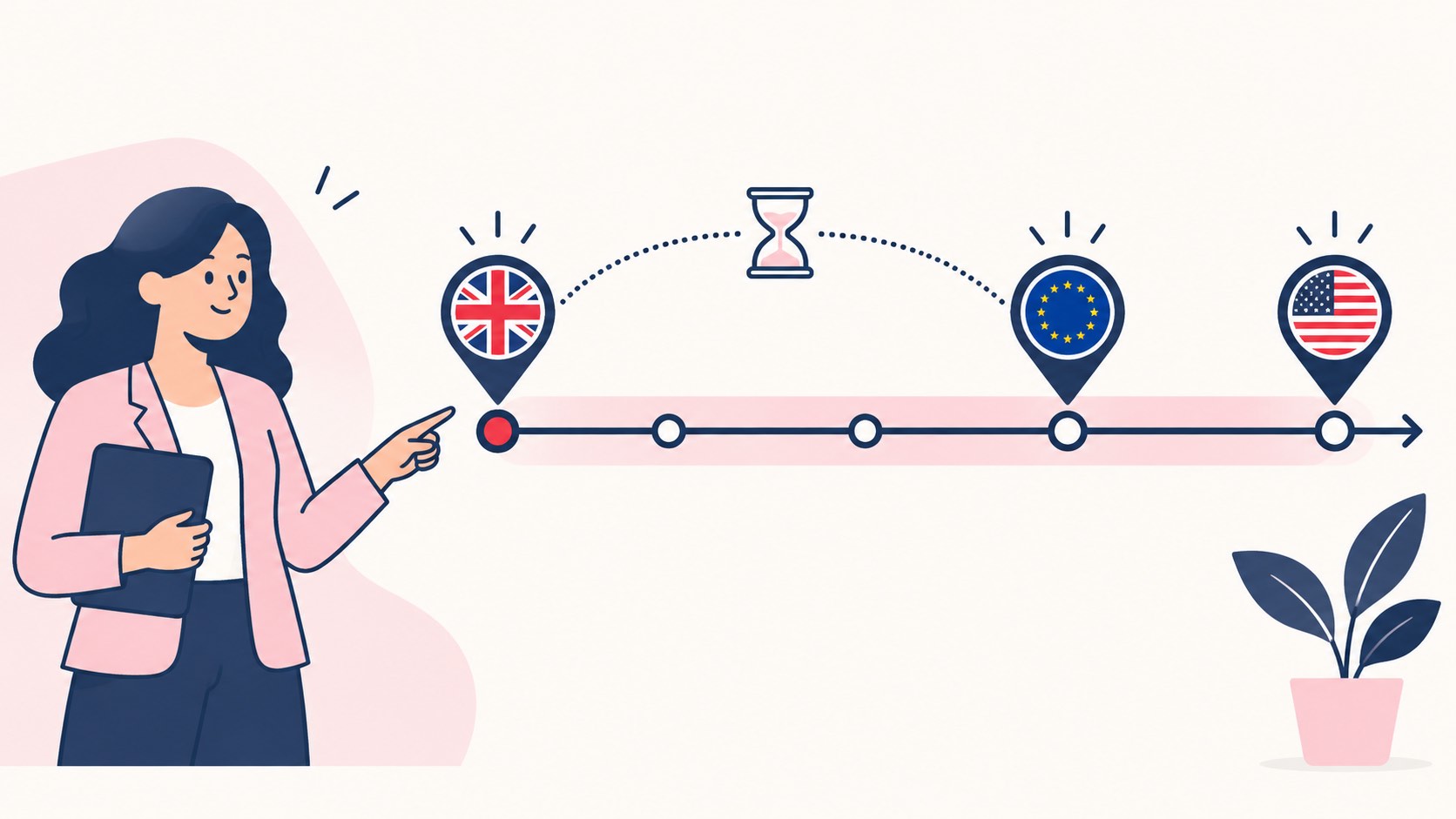
Because trademark rights stop at the border. GOV.UK is clear that a UK registration only protects your brand in the UK and the Isle of Man. In every other country, the first question is who holds the rights there, and the answer may be a business you’ve never heard of.
International routes help, but they don’t change that principle. The Madrid System lets you apply for protection in many countries through one international application, but each country still examines it under its own law. A specification accepted in the UK can still be refused in the US, where the rules on wording goods and services are stricter. We explain the pros and cons in our piece on whether the Madrid Protocol works. Our international service also covers filing country by country where that’s the better route.
Are different names in different countries a good idea?
It’s an option, but most of the time it isn’t the preferred one. Building one strong global brand is far easier than building two. A second name means a second set of trademark filings and renewals, a second domain and social handles, separate packaging and marketing, and customers who travel or shop online wondering whether the two brands are connected. Every pound spent building one name does nothing for the other.
Sometimes a different name is the right commercial call. If the name is taken in a market that matters, and the owner won’t sell or agree terms, a local name can get you trading while the main brand carries on elsewhere. The point is to make that decision on purpose, early, rather than discover it the week before launch.
How can you avoid needing a second brand name?
Mostly by looking before you commit. In my experience, these steps make the biggest difference:
- Check the name in every country you trade in or plan to, not just the UK, before you spend on the brand.
- Check what the name means in other languages. We’ve written before about a brand name that didn’t travel well in Italy.
- File early in your key markets. The UK IPO’s official fee starts from £205 for one class. A European trademark registration covers all 27 EU member states in one application, with official fees from €850 at EUIPO. Official fees vary by territory and number of classes.
- If the name is taken, look at the options before rebranding. Depending on the facts, that might be buying the mark, as happened with Burger King in Australia, agreeing terms that let both businesses trade, or choosing a local name deliberately.
What does this mean for your business?
If you’re planning to expand, the best time to check your name abroad is before the expansion plan is set, not after the first shipment. Start with our free trademark search for the UK position. For other countries, our trademark consultation and clearance audit checks the markets you name, from £99, and the first consultation is free for new clients. We work with partners around the world to keep costs as low as possible. You can book a free call, email enquiries@thetrademarkhelpline.com or ring me on 0161 833 5400.
Related questions
- Someone in another country is using my brand. Can I stop them?
- Do I need a trademark to sell on Amazon in the US or abroad?
- Can someone trademark a name I’m already using and force me to stop?
This article is for information purposes only and does not constitute trademark advice or guidance. Last reviewed 25 September 2026. First shared as a LinkedIn post.
Questions about this
Why is Burger King called Hungry Jack’s in Australia?
Because the Burger King name was already registered in Australia when the chain arrived. A small takeaway in Adelaide had registered the BURGER KING mark there first, and attempts to buy it failed, so the Australian franchisee opened as Hungry Jack’s, a name borrowed from a pancake mix brand owned by Burger King’s then parent company, Pillsbury. The franchisee later acquired the Burger King mark in Australia, but the chain still trades as Hungry Jack’s.
 Answered by Matthew Griffiths, Commercial Director
Why do some brands trade under different names in different countries?
Often because the name was not available there. Trademarks are territorial, so a registration in one country gives no rights in the next, and someone else may already hold the name locally. It is not always a trademark issue: Walkers kept its British name after PepsiCo, the owner of Lay’s, acquired it in 1989, and some names simply do not work in another language. An unavailable name is still one of the most common reasons.
Answered by Matthew Griffiths, Commercial DirectorHow can a business avoid needing a second brand name abroad?
By checking before committing. It helps to search the name in every country the business trades in or plans to, check what it means in other languages, and file early in key markets. The UK IPO’s official fee starts from £205 for one class, and an EU trademark covering all 27 member states starts from €850 at EUIPO. If the name is taken, options include buying the mark, agreeing terms with the owner or choosing a local name deliberately.
Answered by Matthew Griffiths, Commercial Director