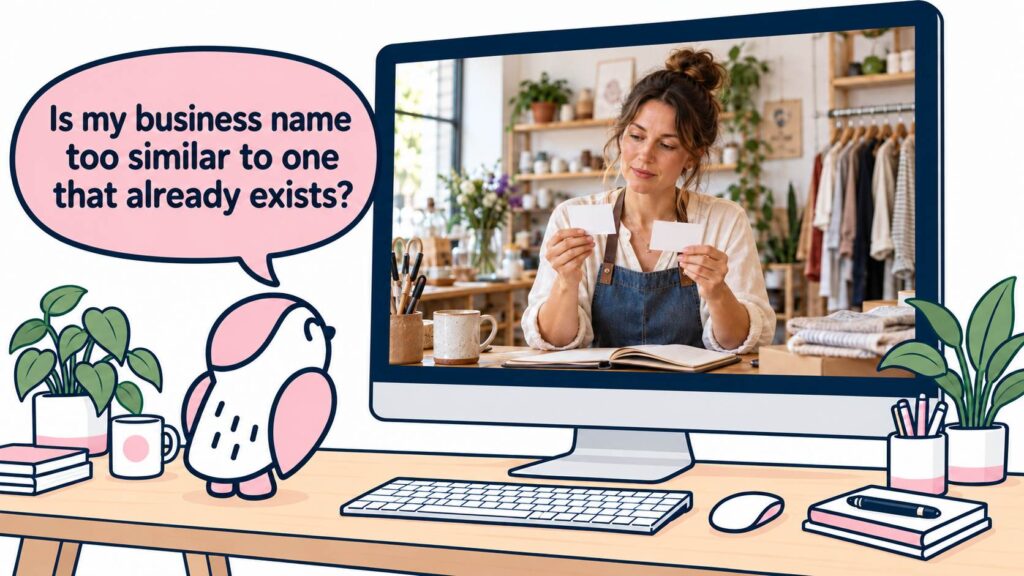
Possibly, but this is not something that can be answered simply by placing two names next to each other and deciding whether they look alike.
Many people assume that sharing one word, sounding slightly alike or operating in the same broad sector automatically creates a problem. Others make the opposite mistake and assume a name is safe because it is not identical. Both can be costly assumptions.
How is trademark similarity judged?
Trademark similarity is considered as a whole. That can include:
- How the names look when written down.
- How they sound when spoken.
- What they mean or suggest.
- Whether the goods or services are related.
- Who the likely customers are.
- How and where the brands are sold or promoted.
- How distinctive or well known the earlier brand is.
- Whether customers are likely to believe there is a connection between the businesses.
Two identical names can sometimes coexist where the businesses genuinely operate in different worlds. Equally, two names which are not identical can create a real problem if customers might think one business is connected to, endorsed by or simply mistaken for the other.
Why a clear Companies House check is not enough
We regularly see businesses invest in websites, signage, packaging and marketing because a name was available at Companies House or did not show an obvious match in a basic search. That does not establish that the brand is safe to use. It may overlook similar marks, earlier unregistered rights, a related sector or how the name is actually being used in the marketplace.
How to check your name properly
Our free trademark search is a useful first screen. It can identify obvious UK word-mark issues and help you select relevant classes and terms. It is not, however, a full clearance exercise.
If the name is important to your plans, our Trademark Clearance Audit and Consultation considers the wider picture: similar trademarks, Companies House, domains, social media, online marketplaces, Google results, earlier use and the territories in which you trade or hope to trade.
We then explain the practical risk in plain English. That may mean the name is workable, that an application needs changing, that a different name would be safer, or that there is a way to approach an existing rights holder before you commit further time and money.
The benefit is that you can make a commercial decision early, before customer recognition, stock, websites and reputation become tied to a name that may later need to change.
For a useful real-world example, read what the Supermac’s and McDonald’s dispute says about similar names.
If you are concerned about a name, start with the free search, then let us carry out a full similarity audit before you build a business around it.
Want to talk it through? Book a free 15 minute call, email enquiries@thetrademarkhelpline.com or call 0161 833 5400.