

Class 32: Beer, Soft Drinks, Juice & Water
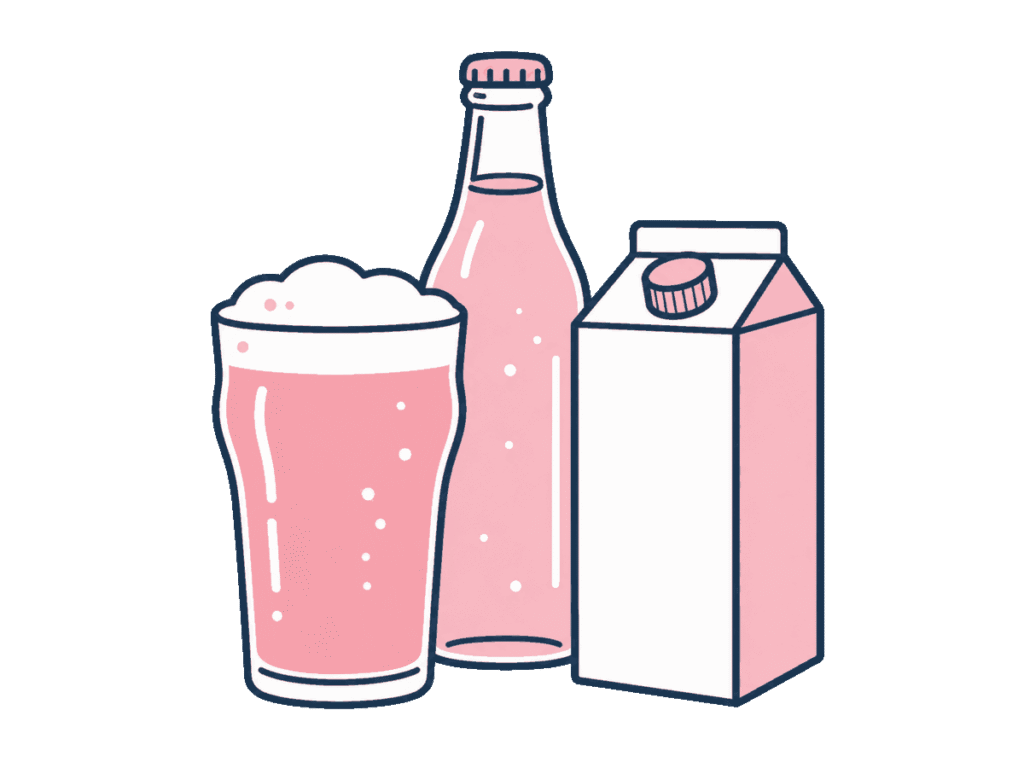
Class 32 covers beer and almost every soft drink: juices, smoothies, energy and sports drinks, mineral and sparkling water, cordials and syrups, and the fast-growing alcohol-free range. It’s the 28th most used of the 45 classes, with 16,237 UK registrations between September 2021 and September 2026, which is about 50% fewer registrations than the average class. It’s not a crowded class overall, but drinks names are short, memorable and often similar, so clashes within it are common.
What class 32 covers
This is the official Nice heading, in full:
Beers; non-alcoholic beverages; mineral and aerated waters; fruit beverages and fruit juices; syrups and other preparations for making non-alcoholic beverages.
The easy way to remember it is “beer and anything without alcohol”. Beer is the one alcoholic drink that sits here, along with lager, ale and stout. Everything else in the class is non-alcoholic: juices, soft drinks, waters, energy drinks, and the syrups and powders used to make them. That includes alcohol-free versions of drinks that would otherwise be in class 33.

The mistake I see most often
The mistake is treating “drinks” as one class. It isn’t. Beer is class 32, wine and spirits are class 33, coffee and tea are class 30, milk drinks are class 29, and the place that serves them is class 43.
Take a craft brewery. The beer and its alcohol-free version are class 32. The cider it adds in summer is class 33. The iced coffee collaboration is class 30, and the taproom is class 43. File only class 32 and the name is protected on the beer, but not on the products and the venue that are often where the brand grows, and where a lookalike is most likely to appear.
It’s worth listing what you sell now and what you’ll realistically add in the next couple of years, then checking the class for each. A UK application can’t have classes added later, so getting that list right before you file saves a second application down the line.
When you definitely need class 32
- You brew beer, lager, ale or stout, including alcohol-free beer
- You make soft drinks, juices, smoothies or flavoured waters
- You sell energy drinks, sports drinks or isotonic drinks
- You bottle mineral, spring or sparkling water under your own brand
- You make cordials, syrups or drink mixes for non-alcoholic drinks
When you might need class 32 without realising
The brands I see miss class 32 usually start somewhere else and drift into drinks.
- Wine and spirits brands launching an alcohol-free range. The wine is class 33, but alcohol-free wine and non-alcoholic cocktails are class 32. Non-alcoholic cocktails appear on 1,367 registrations.
- Coffee and tea brands adding sparkling or soft drinks. Coffee and tea are class 30, but a drink that’s only flavoured with them is class 32. Non-alcoholic beverages flavoured with coffee appear on 2,113 registrations and tea-flavoured ones on 2,092.
- Gyms and fitness brands with their own drinks. Sports drinks are class 32, on 1,905 registrations, but protein supplement shakes are class 5, so a fitness brand selling both needs both.
- Restaurants, bars and hotels with an own-label bottle. The venue is a class 43 service, but a branded beer, juice or water you sell in bottles is a class 32 product.
Not sure whether your drink is class 32, 33 or 30? The free class tools below show you where businesses like yours actually file, or you can give us a call.
What businesses actually claim in class 32
These are the terms that turn up most often in recent UK class 32 registrations:
| Term | Marks using it | Share of class 32 | How common |
|---|---|---|---|
| non-alcoholic beverages | 6,565 | 40.4% | Essential |
| beers | 4,007 | 24.7% | Most use this |
| energy drinks | 3,572 | 22.0% | Most use this |
| soft drinks | 3,425 | 21.1% | Most use this |
| beer | 2,981 | 18.4% | Most use this |
| non-alcoholic drinks | 2,945 | 18.1% | Most use this |
| fruit beverages and fruit juices | 2,539 | 15.6% | Most use this |
| mineral and aerated waters | 2,508 | 15.4% | Most use this |
| fruit flavoured drinks | 2,301 | 14.2% | Recommended |
| non-alcoholic beverages flavoured with coffee | 2,113 | 13.0% | Recommended |
Broad terms lead the table. Non-alcoholic beverages is claimed on 6,565 registrations, far more than anything else, because it covers most of the class in two words. Beers (4,007) and energy drinks (3,572) come next. Many applicants copy the broad heading terms and then add the specific products they actually make.
That second step matters. Energy drinks, sports drinks and smoothies (1,477) each have their own entries in the table, and a specification that names the product you sell, such as craft beer (997) or sparkling water (611), is clearer to rely on if a dispute ever turns on what you do.
What class 32 does not cover
Wine, spirits, cider and other alcoholic drinks are class 33. Beer is the only alcoholic drink in class 32. Wine, gin, whisky, vodka, cider, alcoholic cocktails and hard seltzers are all class 33, where wine appears on 2,977 registrations and spirits on 2,205. A brewery that adds a cider or a spirit to its range needs class 33 as well.
Coffee, tea and cocoa drinks are class 30. If coffee or tea is the drink itself, rather than a flavouring, it stays in class 30 with coffee and tea. Iced coffee is class 30, on 2,229 registrations, and iced tea on 2,080. The test I’d use is whether coffee or tea is the main ingredient or just the taste.
Milk drinks are class 29. Milkshakes, yoghurt drinks and oat milk are class 29, even though they’re drinks. Milkshakes appear on 719 class 29 registrations and yoghurt drinks on 924. A smoothie brand that adds a milkshake is moving into a new class.
Running a taproom, bar or café is class 43. Brewing the beer is class 32. Serving it to customers is a class 43 service, where bar services appear on 4,435 registrations. A brewery with its own taproom usually needs both.
Where these terms actually live
| Term | Belongs to | Marks using it |
|---|---|---|
| yoghurt drinks | Class 29 | 924 |
| milkshakes | Class 29 | 719 |
| iced coffee | Class 30 | 2,229 |
| iced tea | Class 30 | 2,080 |
| wine | Class 33 | 2,977 |
| spirits | Class 33 | 2,205 |
| cider | Class 33 | 1,176 |
| bar services | Class 43 | 4,435 |
Each of these is a separate registration. A mark in class 32 does not cover any of them.
Is class 32 the right class for you?
If you brew beer or make soft drinks, juices, smoothies, waters, energy drinks, alcohol-free drinks or drink syrups under your own brand, class 32 is very likely yours. If your range includes wine, spirits or cider, coffee or tea drinks, milk drinks, or you run a bar or taproom, look at classes 33, 30, 29 and 43 as well.
Our free class tools build a specification from wording already accepted on real UK filings, so you can see what businesses like yours claim before you commit.
Common questions about class 32
Is cider class 32 or class 33?
Class 33. Cider is alcoholic and it isn’t beer, so it sits with wine and spirits. Cider appears on 1,176 class 33 registrations. Many breweries assume cider goes with their beer in class 32, and only find out when they come to add it. An alcohol-free cider is different again, because non-alcoholic drinks are class 32.
 Answered by Jonathan Paton, Founder & CEO
What class is alcohol-free beer or wine?
All class 32. Alcohol-free and low-alcohol beer stay in class 32 with ordinary beer, and non-alcoholic beer appears on 1,403 registrations. Alcohol-free wine leaves class 33 and joins the non-alcoholic drinks in class 32, and so do non-alcoholic cocktails. A wine brand launching an alcohol-free version usually needs both classes.
Answered by Jonathan Paton, Founder & CEOIs kombucha class 32 or class 30?
The UKIPO lists kombucha in class 30, with tea, even though it’s usually sold in the soft drinks aisle. That catches a lot of drinks brands out. If you make kombucha alongside other soft drinks, you’ll usually need class 30 for the kombucha and class 32 for the rest of the range. It’s worth checking your exact product wording in the class tools before you file.
Answered by Jonathan Paton, Founder & CEODo I need class 32 for bottled water?
Yes, if you sell water under your own brand. Mineral water, spring water, sparkling water and flavoured water are all class 32, and mineral and aerated waters appear on 2,508 registrations. Branded reusable water bottles are a different product: they’re class 21, so a brand selling both the water and the bottle needs both.
Answered by Jonathan Paton, Founder & CEOAbout these figures. Last researched 23 September 2026, from UK trademarks registered between September 2021 and September 2026 whose entry in this class is still active. That is current drafting practice rather than the historical register. Terms shown are those most frequently used in that period.
Four FREE ways to build your class 32 terms
Start with whichever you already have. They all live in the same place.
 Let us read your websiteBest if your site already describes what you sell.Start this tool →4Free AI toolAnswer a few questionsBest if you are pre-launch, or your site does not tell the whole story.Start this tool →
Is your brand name actually free to use?
Classes are half the picture. The other half is whether somebody already holds your name in them. Our free search checks the UK register in seconds, no sign up and nothing to pay.
 0161 833 5400


