

Knowledge Hub · Updated 13 October 2026
Trademark Knowledge Hub
Free, plain-English help with UK trademarks, from the team that has been registering and protecting brands for UK businesses since 2008.
Everything we publish is here in one place: step-by-step guides, answers to the questions business owners ask us most, trademark news, real client stories, scam warnings and short videos. Search for your question, filter by topic, or start with what other readers are looking at this week. If you can’t find what you need, ask us and a specialist will reply within one working day.
 FAQ10 Oct 2026
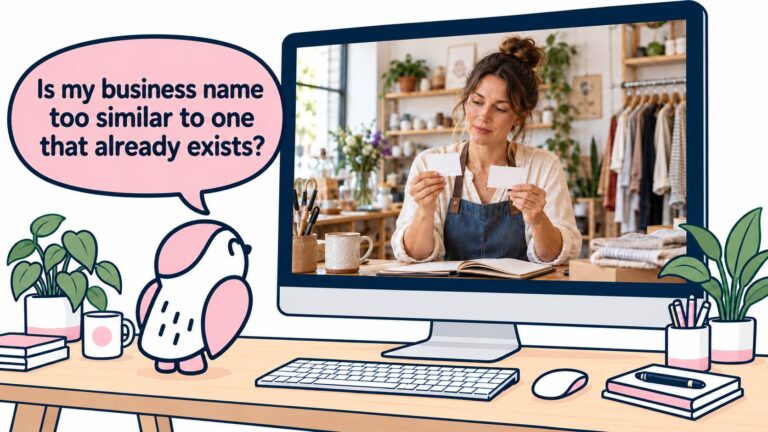
Is my business name too similar to one that already exists, could I be infringing?
Could your business name infringe an existing brand? How similarity is judged, why a clear Companies House check is not enough, and how to check first.
What is trademark invalidation?
Invalidation is the legal procedure for challenging a trademark that the UK IPO or the EUIPO has already registered, where it looks like, sounds like or is spelled l…
What is the difference between a trademark opposition and an invalidation?
The difference is timing. An opposition challenges a trademark during its application stage, aiming to stop it being registered at all, which is why early detection…
What grounds can be used to invalidate a trademark?
The most common grounds are earlier rights, lack of distinctiveness and bad faith. Earlier rights apply where you own a prior trademark or were using a similar mark…
Which form is used to invalidate a UK trademark?
A UK invalidation is filed with the UK IPO on Form TM26(I). For an EU trademark, the equivalent is an Application for a Declaration of Invalidity at the EUIPO. We he…
On what grounds can a UK trademark be cancelled?
The most common ground is non-use: a trademark that has not been used for a continuous period of five years can be challenged and cancelled. A registration can also…
What is the difference between trademark cancellation and invalidation?
Cancellation generally applies to a trademark that was validly registered but should now be removed, for example because of non-use or a voluntary request. Invalidat…
How do I defend my trademark against a non-use cancellation?
The burden of proof sits with the owner, so the key is evidence that the trademark has been used within the past five years, or a valid reason for the lack of use. W…
Which form is used to cancel a UK trademark for non-use?
A non-use cancellation at the UK Intellectual Property Office is filed on Form TM26(N). For an EU trademark, the equivalent is an Application for Cancellation at the…
 FAQ12 Oct 2026
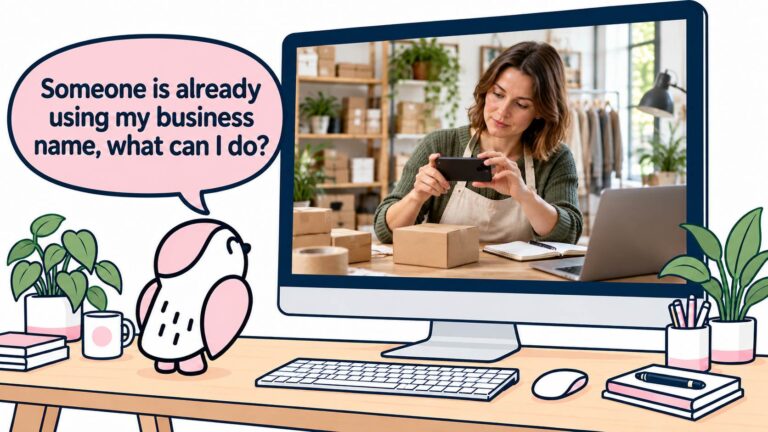
Someone is already using my business name, what can I do?
Do not contact or threaten the other business until the position has been properly assessed. Preserve evidence of what it is doing, including website pages, social m…
 FAQ12 Oct 2026
I’ve received a cease and desist letter, what do I do now?
Do not ignore the letter, do not panic and do not respond until the claim has been properly assessed. We have seen genuine deadlines missed because a letter was dism…
How does a registered trademark help remove a fake social media account?
A registered trademark proves ownership of your brand, which gives a clear basis for a formal complaint to the platform. With it, infringing content, handles and acc…
What is the social media takedown process?
There are five stages. We assess the content or account to confirm it breaches your rights, gather evidence including proof of trademark ownership, and file a formal…
When might a business need a social media takedown?
Common reasons include impersonation accounts using your name or logo, handles or usernames containing your registered trademark, accounts promoting counterfeit prod…
What is a website takedown service?
A website takedown service identifies online use that infringes your rights and works to have it removed from websites, search engines and the platforms where it is…
What happens if a website owner refuses to remove infringing content?
If the infringing party does not co-operate, the matter can be escalated. As the trademark owner, and through our representation, you can ask the relevant hosting pl…
Can a trademark help recover a copycat domain name?
It can. One client's first monitoring report found an infringing domain registered by a former supplier. On our advice, they complained to Nominet, which administers…
Are most website infringements deliberate?
In our experience, most infringements are inadvertent rather than malicious. Intent is often a factor when gathering evidence, and it usually shapes the approach. We…
 FAQ2 Oct 2026
Can someone trademark a name I’m already using and force me to stop?
Yes, potentially, but not simply because they filed an application. Applying first can give them a significant advantage, but it does not automatically erase your ea…
 FAQ1 Sep 2026
What Is a Trademark Coexistence Agreement?
What is a trademark coexistence agreement? How two businesses share a similar name, what the agreement covers, and why it needs to plan for growth.
 FAQ15 Sep 2026
Can You See What Trademarks Your Competitors Are Filing?
Yes. How a competitor trademark search works on the UK register, what new filings reveal and hide, and how monitoring keeps watch for you from £14 a month.
Browse by topic
Trademark advice by topic
Check and plan
Search the register, choose the right classes and check a name before you file.
See all guides →Manage and protect
Monitoring, renewals and representation once your trademark is registered.
See all guides →Trademark disputes
Oppositions, cancellations, cease and desist letters and online takedowns.
See all guides →The people behind the answers
Our authors
 Jonathan PatonFounder & CEOBrand protection strategy for UK businesses since 2008.
 Matthew GriffithsCommercial DirectorClient work and our UK and international partnerships.
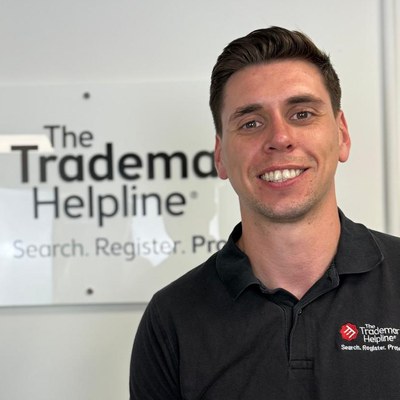 Alex PughBrand Protection ConsultantNew clients, international applications and hearings.
 Laura SpencerParalegalDrafting, filing and progressing applications.
 Saad AshrafMarketing ManagerMarketing and the trademark data behind our guides.


