Yes. When a sponsor, licensee, franchisee or commercial partner puts your name, logo or tagline alongside theirs, customers judge you by what they do. If they sell poor-quality goods under your trademark, or behave in a way that embarrasses the brand, the goodwill that suffers is yours. A well-drafted trademark licensing agreement is how you keep control: it sets out what they can use, where, how and to what standard, and it lets you act quickly if the association starts doing damage.
Your brand is judged by the company it keeps. Burnley FC gave us a pretty dramatic reminder of that this week.
What happened with Burnley’s shirt sponsor?
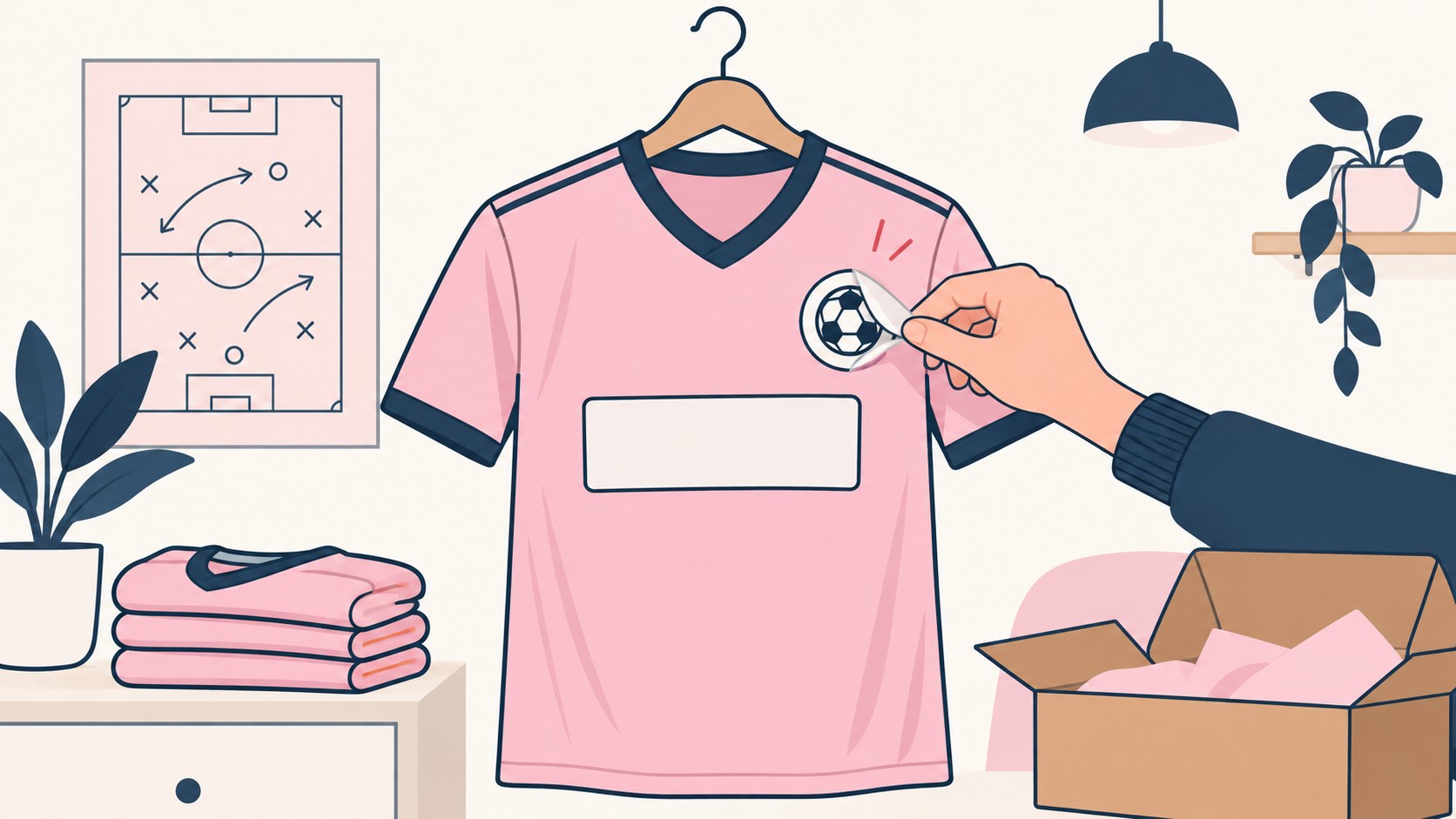
On 14 August 2026, just before the new league season, Burnley FC ended its front-of-shirt sponsorship agreement with Finotive and removed the branding. The deal had been announced at the start of July, so it lasted about six weeks. In its club statement, Burnley said it had “acted decisively to protect the Club’s interests, and those of our supporters”, and within hours existing partner Vertu was confirmed as the new sponsor. The Burnley Express reported that supporters who had already bought shirts with the old branding were offered a refund, an exchange or new branding applied to their shirt.
The club hasn’t explained what happened behind the scenes, and I’m not going to guess. The interesting part for every business is the lesson that sits underneath it. Burnley can physically take one company’s logo off the shirt and replace it with another. Repairing what supporters, customers or the public think when they see your badge can be considerably harder.
How can a sponsor or licensee damage your brand?
A sponsor, franchisee, licensee, influencer, distributor or co-branding partner doesn’t just borrow some of your audience. You borrow some of their reputation too.
The picture I use comes from my other life as a DJ. Letting someone use your trademark is a bit like letting another DJ play a set under your name. The crowd doesn’t see who is behind the decks. They just remember whether the night was any good, and it’s your name on the poster.
In practice the damage tends to come in three ways:
- Quality. A licensee makes goods or delivers services under your mark that don’t meet your standard. Customers don’t know or care that somebody else made them.
- Conduct. A partner’s behaviour, or bad news about them, becomes linked to your name because your logo sits beside theirs.
- Drift. Your logo gets stretched, recoloured or used on products you never agreed to, until the brand stops looking like yours.
All three are easier to deal with early. If a partner’s use of your brand has already crossed a line, our trademark representation and protection service is where we start: an honest read of what you own and what the agreement lets you do.
There is also a legal edge to this, although it’s rare. Under section 46 of the Trade Marks Act 1994, a registration can be revoked if, because of the way it has been used by the owner or with the owner’s consent, the mark has become liable to mislead the public, particularly about the nature, quality or origin of the goods or services. A licensee’s use counts as use with your consent.
The same rule works in your favour, which is the reassuring side. Use by a licensee with your consent also counts as genuine use of your mark, which helps protect the registration against a challenge for five years’ non-use. Licensing isn’t the problem. Uncontrolled licensing is.
What does UK law say about licensing a trademark?
The rules are in sections 28 to 31 of the Trade Marks Act 1994, and they give an owner more control than most people realise. Step by step:
- It has to be written down. A licence isn’t effective unless it’s in writing and signed by or on behalf of the owner.
- It can be as narrow as you like. A licence can be general, or limited to some of the goods or services, or to use in a particular manner or place.
- Breaking the key terms can be infringement, not just breach of contract. Section 28(5) lets the owner use its trademark rights against a licensee who breaks the licence on duration, the form of the mark, the goods or services covered, the territory, or the quality of the goods or services.
- Sub-licensing only happens if the licence allows it.
- Exclusivity changes who can sue. An exclusive licence shuts out everyone else, including the owner, and sections 30 and 31 set out when a licensee can take action against infringers.
The third point, on quality, is the one I’d want every SME to know about. If your licence sets clear quality standards, a licensee who ignores them is using your trademark outside what you agreed, and you have a much stronger hand than a simple contract dispute would give you.
Is it worth recording a licence at the UK IPO?
In most cases, I’d think seriously about it. Granting a licence is a “registrable transaction” under section 25 of the Act, recorded on form TM50. Until it’s recorded, the licence is ineffective against someone who later acquires a conflicting interest in the mark without knowing about it, and the licensee doesn’t get the protection of sections 30 and 31 if it wants to act against infringers. There’s a costs point too: if the mark is infringed before the licence is recorded, the court won’t award the licensee its costs unless the application to record was made within six months of the licence, or as soon as practicable after that.
What goes into a trademark licensing agreement?
The agreement is a contract, so the detailed drafting sits with a solicitor, and we can coordinate with our trusted panel of regulated partners for that. From the trademark side, these are the points I’d want to see covered:
What exactly is being licensed
The registration numbers, the exact form of the name and logo, and the goods or services it can be used for. If your registration doesn’t cover what the partner plans to sell, fix that first.
Quality control and approvals
Brand guidelines, the right to approve samples or artwork before launch, and the right to inspect. This is what makes section 28(5) work for you.
Territory and duration
Where they can use it and for how long. Remember that a UK registration covers the UK and the Isle of Man, so a partner selling abroad needs a mark that exists there.
Conduct and a way out
A clause that lets you end the arrangement quickly if the partner’s conduct starts damaging your reputation, and clear rules for what happens at the end: when they stop, what happens to remaining stock, and who takes down the signage, websites and social accounts. If a former partner carries on using the brand after the deal ends, sending a cease and desist letter is usually the first formal step, and it gives both sides a chance to resolve things before they escalate.
Enforcement
Who deals with infringers, who pays, and whether the licensee can act on its own.
The IPO’s own licensing guidance makes the same point from the other direction: before licensing a trademark, consider whether the quality of your brand will be affected by the goods it’s applied to.
What does this mean for a small business?
You don’t need a football club’s profile for this to matter. If you’re letting a stockist, distributor, influencer, franchisee or collaborator use your brand, the same principles apply at a smaller scale. Done well, licensing can be a real source of growth, as our article on how partnerships and collaborations support a brand’s growth explains. And sponsorship is all about brand visibility, which is why big organisations guard it so closely, as FIFA’s clean venue rule at the World Cup showed earlier this summer.
Before anyone else puts your logo on anything, I’d work through it in this order:
- Check your registration actually covers the goods or services involved. Our guide to trademark classes is a free way to see where they sit.
- Do proper due diligence on the partner before the deal, not after the launch.
- Put a written licence in place with quality control and a clear exit.
- Record the licence at the UK IPO.
- Keep an eye on how the brand is actually being used once it’s out there.
A trademark protects the badge. Good brand management protects what people think when they see it, and that’s where the real value is.
If you’re about to license, sponsor or co-brand, start with our free trademark search to see what’s on the register. A trademark consultation and clearance audit before you sign will show whether your registrations cover what the partner plans to do. Then book a free call with our team, email enquiries@thetrademarkhelpline.com or ring 0161 833 5400. The first consultation is free for new clients.
Related questions
- How much is my brand or trademark actually worth?
- Do I own my trademark, or does my company?
- What happens if someone copies my logo? Can I sue?
This article is for information purposes only and does not constitute trademark advice or guidance. Last reviewed 25 September 2026. First shared as a LinkedIn post.
Questions about this
How can a sponsor or licensee damage my brand?
Customers judge you by what partners do with your name. Damage tends to come in three ways: quality, where a licensee’s goods or services fall below your standard; conduct, where a partner’s behaviour or bad news becomes linked to your logo; and drift, where your logo is stretched, recoloured or used on products you never agreed to. All three are easier to deal with when the licence sets clear rules from the start.
 Answered by Alex Pugh, Brand Protection Consultant
What does UK law require for a trademark licence?
Under sections 28 to 31 of the Trade Marks Act 1994, a licence is not effective unless it is in writing and signed by or on behalf of the owner. It can be general, or limited to certain goods, services, places or ways of use. If a licensee breaks key terms on duration, the form of the mark, the goods or services, territory or quality, the owner can treat it as infringement, not just breach of contract.
Answered by Alex Pugh, Brand Protection ConsultantIs it worth recording a trademark licence at the UK IPO?
In most cases it deserves serious thought. A licence is recorded on form TM50. Until it is recorded, it is ineffective against someone who later acquires a conflicting interest without knowing about it, and the licensee cannot rely on its statutory rights to act against infringers. If the mark is infringed before recording, the licensee may not recover its costs unless recording was applied for within six months.
Answered by Alex Pugh, Brand Protection Consultant