As non-fungible tokens (NFTs) continue to revolutionise the digital landscape, protecting your brand in this virtual space has never been more critical. NFTs can easily reference or replicate well-known trademarks, allowing artists and creators to produce digital assets that sometimes mimic or unintentionally infringe upon established brands. Cases like MetaBirkins illustrate the complexities businesses face when safeguarding intellectual property in a fast-paced digital environment where replication is effortless.
For businesses, this challenge raises key questions:
How do you ensure your intellectual property is not misused in the digital world?
How can you prevent consumer confusion or brand dilution caused by unauthorised NFT creations?
Do we need a ‘Meta Intellectual Property Office’?
To effectively protect your brand, businesses need to adopt a multi-layered strategy:
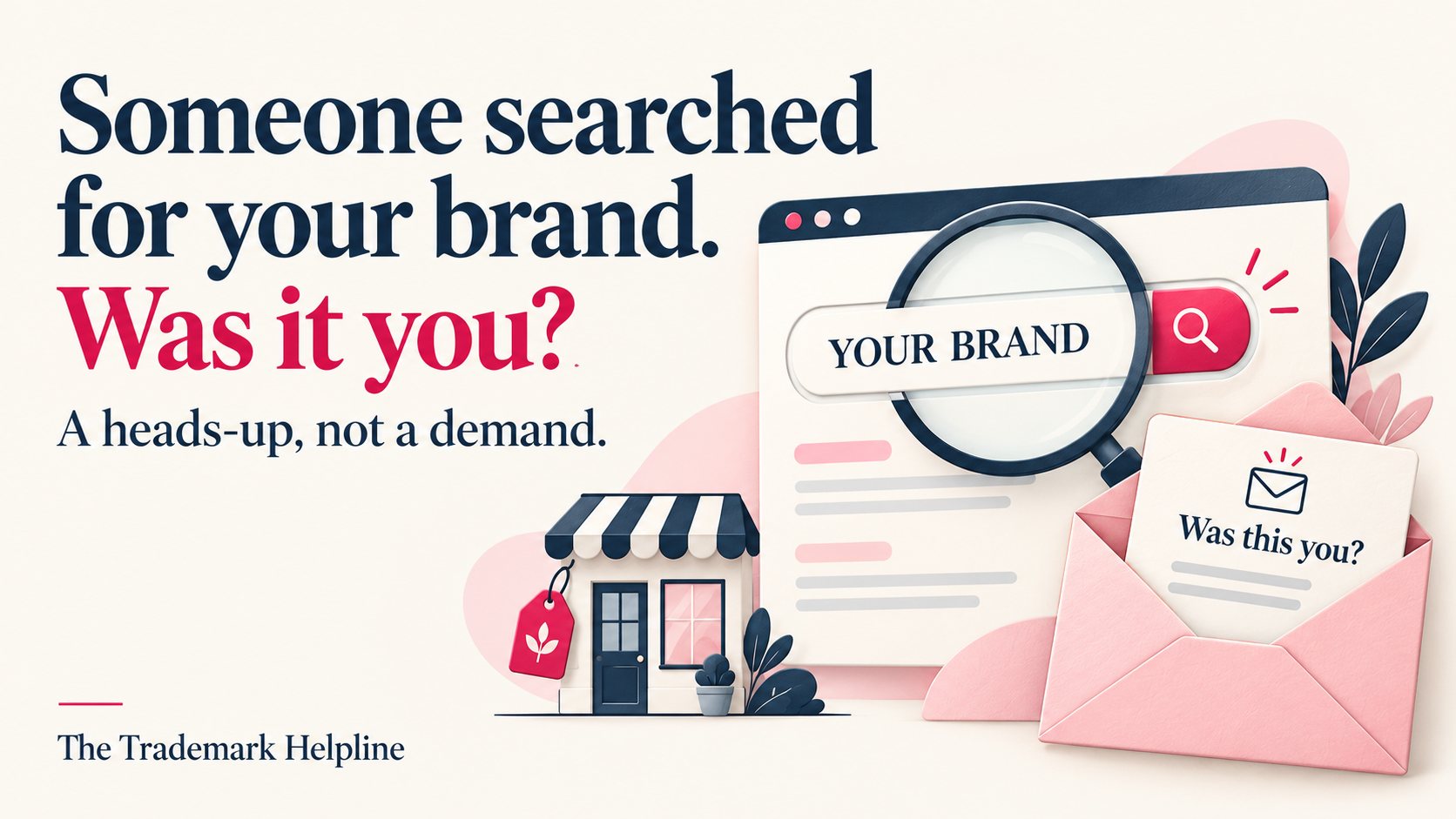
- Monitor digital platforms regularly to identify potential infringements.
- File UK trademark applications covering both physical and digital assets.
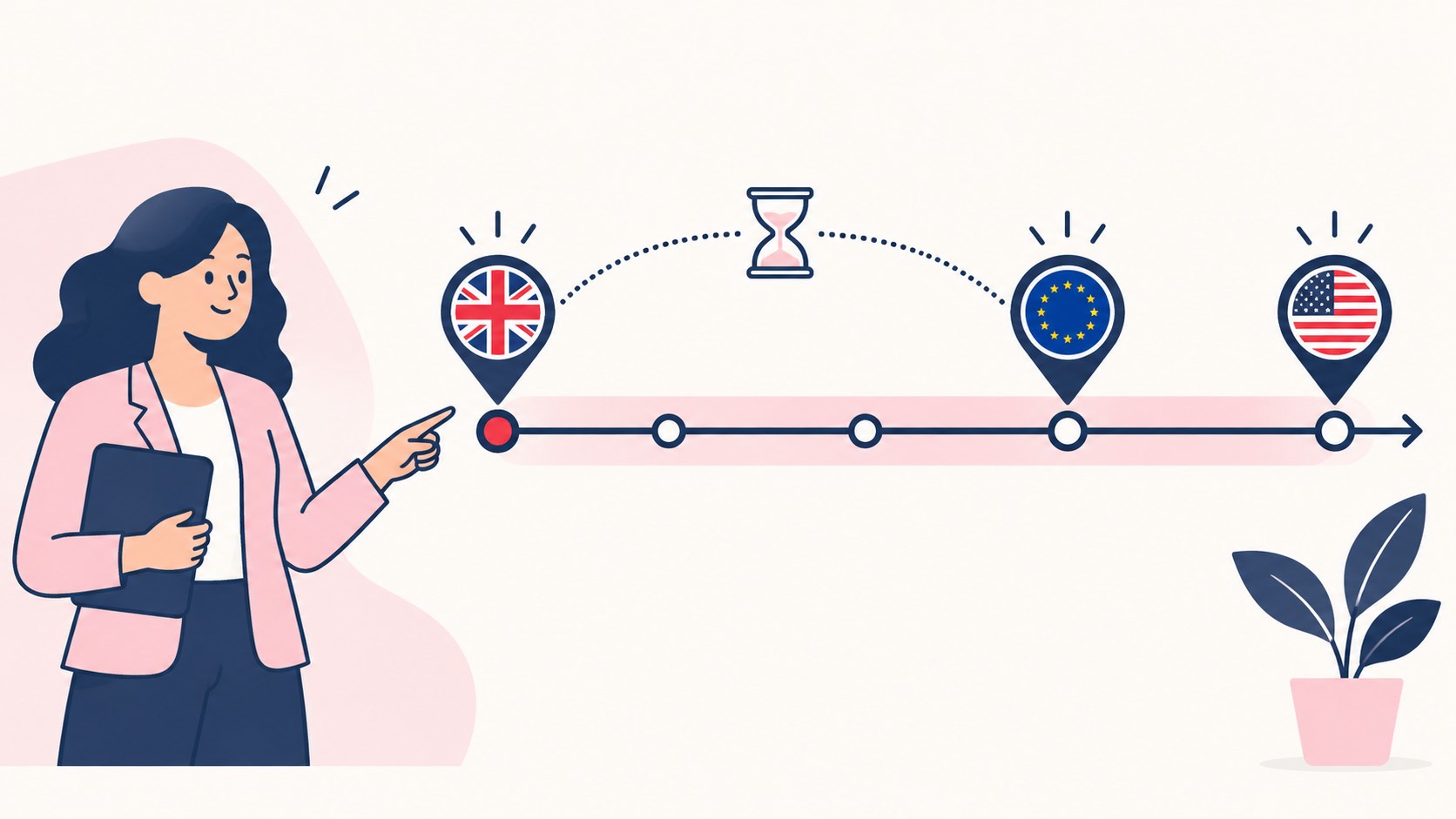
- Expand protection through EU trademark registration or international trademark registration to safeguard intellectual property across jurisdictions.
- Ensure trademarks are used correctly in digital environments to strengthen their validity and enforceability.
- By taking these proactive steps, companies can minimise the risk of costly trademark disputes and maintain their online reputation.
Our Thoughts
The virtual world of NFTs offers immense opportunities for brands but also introduces unique challenges. Staying ahead of potential issues is crucial to maintaining control of your intellectual property. Monitoring digital platforms is essential to identify and address unauthorised use early. Our Trademark Monitoring and Representation services provide peace of mind by helping businesses track and manage their trademarks in real time.
Filing a UK trademark application for digital assets is a key step to safeguard your rights. For brands with a global audience, pursuing EU trademark registration or international trademark registration ensures your intellectual property is protected across key markets, reducing exposure to legal risks.
The digital era demands robust protection strategies. Let us help you navigate this evolving landscape.
Have questions about protecting your brand in the world of NFTs?
Want to look at affordable ways to protect your trademark in a digital world?
Contact us today for tailored advice on trademark applications, monitoring services, and intellectual property protection.
Questions about this
How can a business stop its brand being misused in NFTs?
A layered approach works best. Monitor digital platforms regularly for unauthorised use, file a UK trademark application that covers digital as well as physical goods, extend protection through EU or international registrations where you trade, and use the mark correctly in digital environments so it stays valid and enforceable. Together, these steps reduce the risk of costly disputes and make it easier to act early when an issue appears.
 Answered by Saad Ashraf, Marketing Manager
What is brand dilution in the context of NFTs?
Dilution is where unauthorised use weakens how distinctive a brand is, even if nobody is directly confused about who made a product. NFTs make replication effortless, so digital assets that mimic a well-known brand can chip away at what makes it recognisable. Monitoring digital platforms and holding registrations that cover digital goods puts a business in a stronger position to address that kind of misuse early.
Answered by Saad Ashraf, Marketing ManagerWhy does using a trademark correctly online matter?
Using a trademark consistently and correctly, in the form and for the goods or services it is registered for, strengthens its validity and enforceability. In fast-moving digital environments, where copies can appear quickly, a mark that has been used properly is easier to rely on when challenging misuse. It also builds the evidence of genuine use that may be needed if the registration is ever questioned.
Answered by Saad Ashraf, Marketing Manager