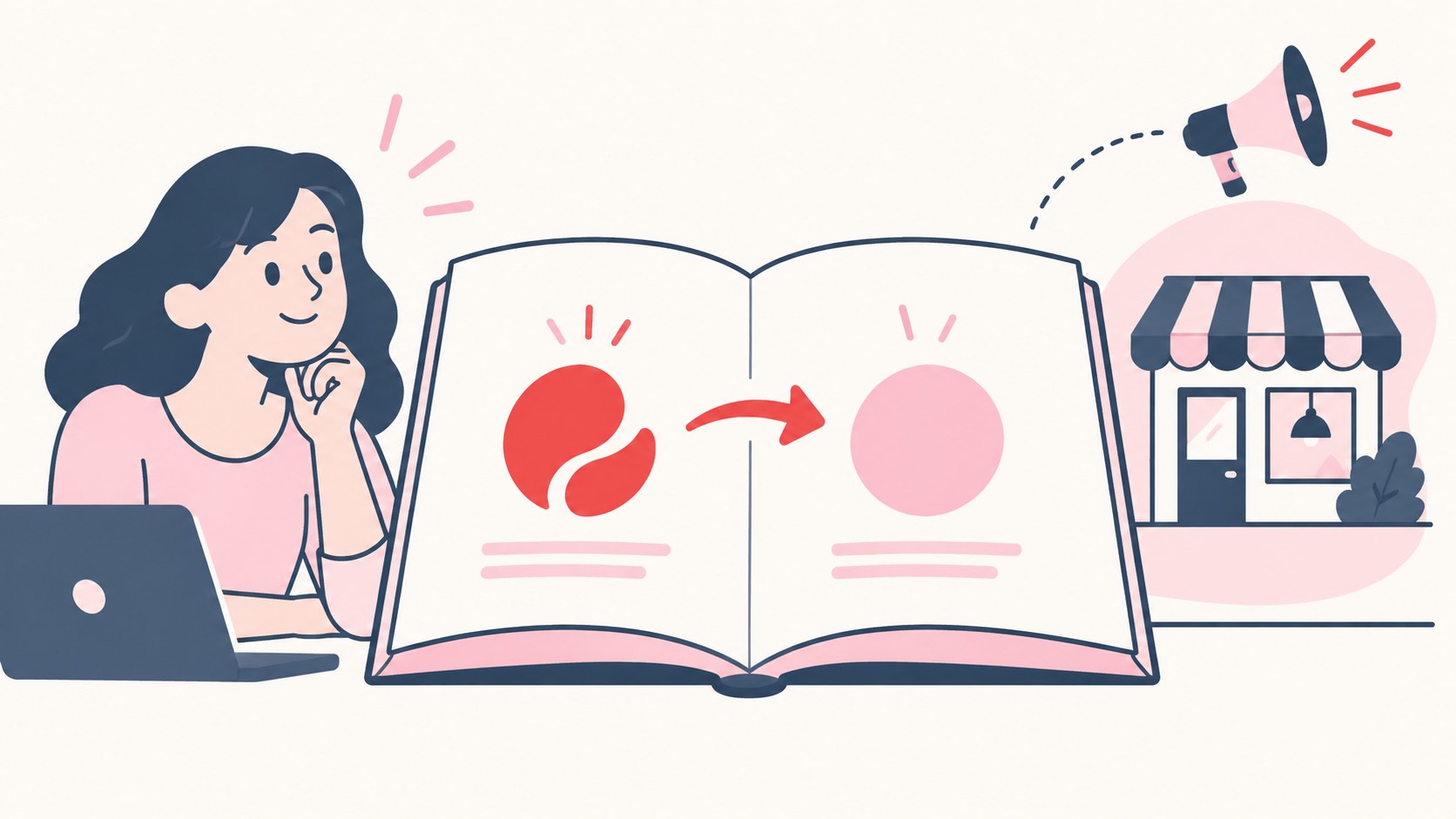
Can a brand name become too generic to protect? Yes, it can. In the UK, a registered trademark can be revoked if it has become the everyday name for the product, and that happened because of what the owner did or failed to do. Lawyers call it genericide, and a generic trademark is one that customers now read as the name of the thing rather than the name of the business behind it. It’s rare and usually takes years, but the lessons apply to a business of any size, both when you choose a name and in how you use it.
This question started a bit of a game in our office. We were working for a client who wanted to protect their brand for “slime” products. In some places “slime” is just the everyday word for the stuff, but when we checked the EU register we found SLIME registered as a trademark, so we worded the client’s classes and terms so that they didn’t rely on that word. It got us talking about how many brand names people now use as everyday words, and the list grew quickly: Jacuzzi, Velcro, Jet Ski, Bubble Wrap, Sellotape.
What is a generic trademark?
A generic trademark is a brand name that the public has come to use as the ordinary word for the product itself. When that happens, the name stops doing the one job a trademark has to do, which is telling customers who a product comes from.
It’s worth separating this from a name that describes the product from day one. A name like that can be refused when you apply, under the absolute grounds in section 3 of the Trade Marks Act 1994, because the law keeps ordinary descriptive words free for every trader. Genericide works the other way: the name was distinctive enough to register, and then success, and the way it was used, wore that away.
Can you lose a trademark if it becomes generic?
Yes. Section 46(1)(c) of the Trade Marks Act 1994 allows a registration to be revoked if, because of the acts or inactivity of the owner, the mark has become “the common name in the trade for a product or service” it is registered for. Anyone can apply for revocation, either to the IPO or to the court. The same section is behind revocation for non-use, which we cover in can you lose a trademark if you don’t use it.
A few details matter in practice:
- It can be partial. If the name has become generic for only some of the goods or services, revocation covers those goods or services only.
- It can be backdated. Revocation normally takes effect from the date of the application, or from an earlier date if the grounds existed earlier.
- The owner’s conduct is part of the test. It isn’t enough that the public uses the word loosely. The change has to come from what the owner did, or didn’t do.
Because the owner’s conduct counts, keeping an eye on how your name is used, on the register, online and by competitors, is a big part of what our trademark monitoring service is for. A registration is only as strong as the way it’s looked after.
The leading European ruling on the owner’s conduct is Backaldrin Österreich The Kornspitz Company GmbH v Pfahnl Backmittel GmbH (C-409/12), decided by the Court of Justice in March 2014, when the UK was still part of the EU and applied the same wording. The judgment said a mark can become a common name from the point of view of end users alone, even if the trade still knows it’s a brand. It also said that failing to encourage sellers to use the name as a brand can count as the owner’s “inactivity”. That is the part I’d pay most attention to as a business owner, because it puts the responsibility on you.
Which brand names have become generic?
Two of the best-known examples come from the United States.
Escalator
ESCALATOR was a trademark of the Otis Elevator Company. In 1950 a competitor asked the US Patent Office to cancel it, arguing that the word had become generic. According to Smithsonian Magazine, Otis’s own advertising treated “escalator” in the same generic way as “elevator”, and the registration was cancelled. In effect, the company taught people to use its brand as the product’s name.
Aspirin
In 1921, in Bayer Co. v United Drug Co., Judge Learned Hand held that “aspirin” had become the common name for the drug among ordinary consumers in the US, while still indicating Bayer to manufacturers, doctors and pharmacists. It’s also a reminder that this is decided country by country: CBC News has reported that Aspirin is still a registered trademark in Canada and several other countries.
Closer to home, we’ve written before about UGG, which is a registered brand in the UK but the everyday word for a sheepskin boot in Australia and New Zealand.
Brands that have fought to stay brands
Plenty of well-known owners work hard to stop this happening. In September 2017 the Velcro company launched a campaign, with a music video performed by its own legal team, asking people to say “hook and loop” for fasteners that aren’t VELCRO® brand products. In the UK, many of us “hoover” the living room with a vacuum cleaner made by someone else, yet, as law firm Ashfords points out, HOOVER is still a registered trademark owned by Candy Hoover Group.
I haven’t set out the legal position of every name on our office list here, because it varies from country to country and changes over time. The point for any owner is that how the name is used matters as much as whether it’s registered.
Why does it matter if a word is generic somewhere else?
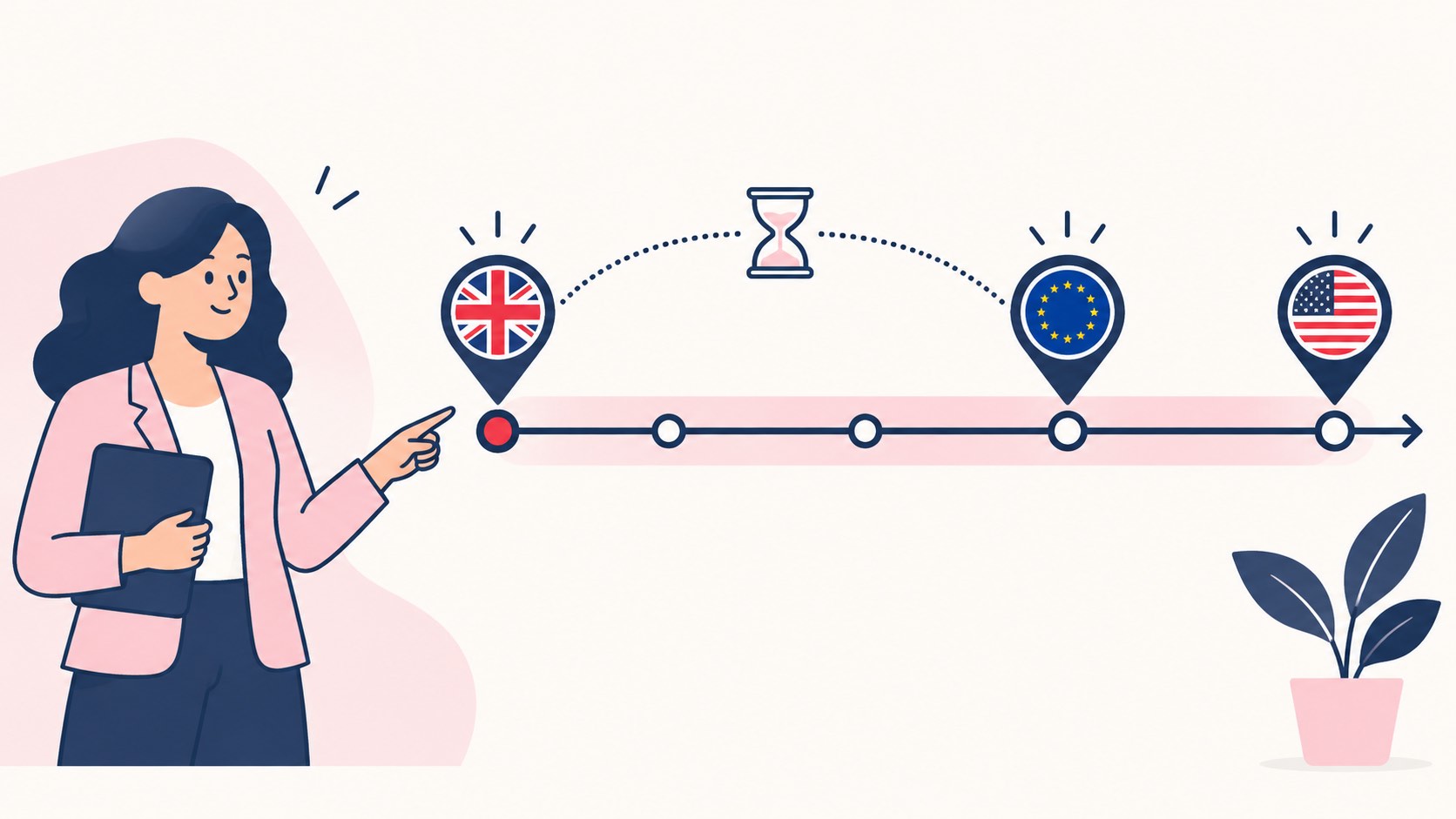
Because trademarks are territorial. A word that is free for anyone to use in one country can be somebody’s registered trademark in the next, and the other way round. That’s exactly what happened with our slime client: a word that looks generic to a UK customer was a registered mark in the EU, so the specification had to be written around it.
If you sell abroad, or plan to, it’s worth checking how your key product words are treated in each market before you file, not after. The wording of your specification is often where the problem, and the fix, sits.
How do you stop your brand name becoming generic?
Most small businesses will never face a genericide challenge, but the habits that prevent it also make a mark stronger in any dispute. In my experience, these are the ones that make a real difference:
- Use your name as a brand, not as the product. Put it next to the ordinary word for what you sell, the way Velcro asks for “VELCRO® brand fasteners”.
- Give the product its own everyday name. If customers have no other word for it, they’ll use yours.
- Use the ® symbol once you’re registered, and ™ before then, so people can see the name is a brand.
- Check how resellers and partners use it. The Kornspitz ruling shows that leaving sellers to use your name generically can count against you.
- Watch the market and the register, so you spot generic use and similar filings early enough to respond.
The reassuring side is that genericide is slow and needs evidence, and owners who use their mark properly and act on misuse are in a strong position. When misuse does need a response, whether that’s a letter to a reseller or a challenge to a similar filing, our trademark representation and protection service means there is an experienced team ready to deal with it. Becoming a household name is a good problem to have, as long as it stays your name.
What does this mean for your business?
At the naming stage, I’d avoid building a brand around a word that is already the ordinary name for the product, in the UK or in any market you plan to enter. Once you’re registered, the question becomes how the name is used, by you and by everyone who sells for you. That’s one reason I recommend an annual review for my clients, so the specification and the way the mark is used keep pace with the business.
If you’re choosing a name, our free trademark search is a good first step. For a closer look at the words you plan to use and the markets you plan to sell in, our trademark consultation and clearance audit starts from £99, and the first consultation is free for new clients. You can book a free call, email enquiries@thetrademarkhelpline.com or ring me on 0161 833 5400. My inbox is always open.
Related questions
- What are trademark classes, and which ones do I need?
- Does a UK trademark protect me everywhere I sell?
- Can I just copyright my business name instead?
- Can someone steal my business name?
This article is for information purposes only and does not constitute trademark advice or guidance. Last reviewed 25 September 2026. First shared as a LinkedIn post.
Questions about this
Can a brand name become too generic to protect?
Yes. Under section 46(1)(c) of the Trade Marks Act 1994, a UK registration can be revoked if, because of the owner’s acts or inactivity, the mark has become the common name in the trade for a product or service it covers. This is known as genericide. It is rare and usually takes years, and revocation can be partial, covering only the goods or services for which the name has become generic.
 Answered by Matthew Griffiths, Commercial Director
Which famous brand names have become generic?
Two of the best-known examples come from the United States. ESCALATOR, a trademark of the Otis Elevator Company, was cancelled after a competitor’s challenge in 1950, with Otis’s own advertising having treated the word like “elevator”. In 1921 a US court held that “aspirin” had become the common name for the drug among ordinary consumers, although Aspirin is reported to remain a registered trademark in Canada and several other countries.
Answered by Matthew Griffiths, Commercial DirectorHow can a business stop its brand name becoming generic?
By using the name as a brand rather than as the name of the product. It helps to put it next to the ordinary word for what is sold, the way Velcro asks for “VELCRO® brand fasteners”, and to give the product its own everyday name so customers are not left using the brand instead. Using the ® symbol correctly and keeping an eye on how others use the name also helps.
Answered by Matthew Griffiths, Commercial Director