Can you update a trademark when your business changes? Only in small ways. Once a UK trademark is registered, you can’t add new goods or services to it, and you can’t change the mark itself, apart from a narrow exception for a name or address that appears in the mark. You can narrow the list of goods and services, and you can keep the owner’s details up to date. So when the business moves on, with new products, new services or a new logo, keeping your protection up to date usually means a new application alongside the old one, not an edit to it.
That is why I think of trademarks as something to review, not something you file once and forget. When a review does show a gap, a new application through our UK trademark registration service, alongside the registration you already hold, is usually the answer.
Why is the Vegan Society changing its trademark?
Because the rules around it are changing. On 30 July 2026, vegconomist reported that The Vegan Society is redesigning its Vegan Trademark, the sunflower logo at the heart of the certification scheme it launched in 1990. The timing is linked to the EU’s Directive on Empowering Consumers for the Green Transition, which the European Commission’s retail platform says will apply from 27 September 2026. Under it, sustainability labels that aren’t based on a certification scheme or set up by public authorities will be banned.
It’s a good reminder that trademarks aren’t static. Even a well-established mark, backed by a well-known organisation, has to evolve when legislation, consumer expectations and the market move around it. Protecting a brand is one thing. Keeping it relevant is another.
Update, September 2026: The Vegan Society revealed the new design on 19 August 2026. It uses a series of interconnected “V” shapes and adds the Society’s name to the mark.
Can you add goods or services to a registered trademark?
No. The IPO’s guidance on classifying goods and services is plain about it: you cannot add extra goods or services after you have applied. The IPO’s own example is a business that registers for clothing in class 25 and later moves into handbags. Handbags are in class 18, so that needs a second application, and a second set of renewal fees in years to come.
The reason is fairness to everyone else. Other businesses search the register to see what’s already protected, and a specification that could quietly grow after filing would make those searches unreliable. Section 39 of the Trade Marks Act 1994 lets an application be restricted or corrected, but never in a way that extends the goods or services, and section 44 says a registered mark can’t be altered, other than a name or address within it.
If your business has grown since you filed, our trademark consultation and clearance audit is where I’d start. It compares what you’re protected for with what you actually do today, and it’s the same check I recommend clients repeat every year.
How can you update a trademark once it’s registered?
Mostly administrative details and the scope, downwards. You can:
- keep the owner’s name and address up to date on the register
- record a change of owner if the mark is sold or transferred
- surrender the mark for some of its goods or services, which narrows it
- renew it every ten years, and drop classes you no longer need when you do
What you can’t do is make it cover more, or change how it looks. A new logo, even a modest refresh, is a new mark and needs its own application if you want it protected. Keeping the older registration while the new one goes through is often worth considering, particularly if the old logo is still in use somewhere.
When does a change in your business mean a new trademark?
Whenever you start offering something your specification doesn’t cover. These are the situations I see most often.
Adding AI or software to your offer
The most common example I see for SMEs is adding AI software. A business registered for its original services may need class 9 for downloadable software, and possibly class 42 for software provided online. The current edition of the international classification even lists “artificial intelligence as a service” in class 42.
When regulation changes what you do
Aesthetics clinics are a good example. Section 180 of the Health and Care Act 2022 gives the government power to introduce a licensing scheme for non-surgical cosmetic procedures in England, and the details are still being worked through. As regulation evolves, clinics may need to rethink the classes and terms they use, both for new applications and when reviewing what they already hold. A generic specification written for a beauty salon may not give the best protection to a business offering regulated treatments. Products are worth checking too, since cosmetics sit in class 3 while treatments are services.
New markets
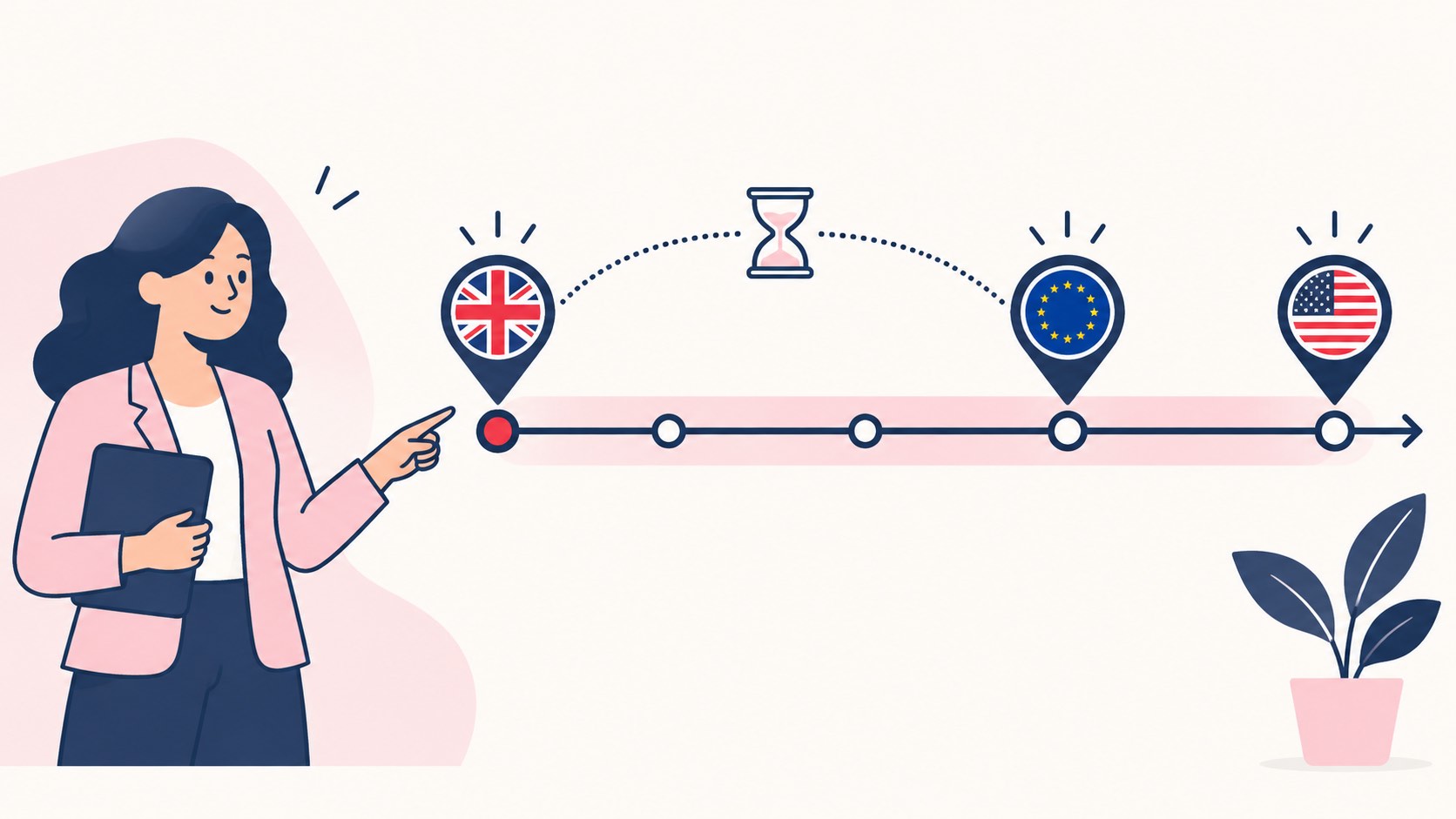
A UK registration covers the UK and the Isle of Man. Selling into new countries usually means new filings there too.
Why not register for everything from the start?
Because an over-broad specification can backfire. In SkyKick v Sky, decided on 13 November 2024, the UK Supreme Court held that applying for goods and services you have no intention of using can amount to bad faith, and we covered what that ruling means for broad filings at the time. A registration can also be challenged for any goods or services it hasn’t been used on for five years, as we explain in can you lose a trademark if you don’t use it.
The IPO’s own advice sits in the middle: include what you use now and what you genuinely intend to use in the next five years. There are two sides of the coin with specifications. Too narrow and your new products are exposed. Too broad and the registration becomes harder to defend.
How often is it worth reviewing your trademarks?
As a minimum, I recommend an annual review for my clients. It doesn’t need to be a big exercise. The questions I ask are simple:
- What do you sell or offer now that you didn’t when you filed?
- What are you planning in the next year or two?
- Has your logo, name or tagline changed, even slightly?
- Are you selling in any new countries, or about to?
- Has the law or regulation in your sector changed?
- When are your renewal dates?
A small review today can save a much bigger headache tomorrow. If a gap shows up, it’s usually far cheaper to file for it now than to deal with someone else filing first.
What does this mean for your business?
If your business has changed since you registered, it’s worth checking that your trademark still covers what you actually do. A good first step is our free trademark search, to see what’s already on the register around any new product or service name. If a renewal is coming up, that’s a natural moment for the review, and our trademark renewal service sends the reminders and handles the filing. For the review itself, the consultation is free for new clients and clearance audits start from £99. The UK IPO’s official fee for a new application starts from £205 for one class. You can book a free call, email enquiries@thetrademarkhelpline.com or ring me on 0161 833 5400.
Related questions
- Can I register a trademark myself, or do I need an attorney?
- Will not having a trademark affect selling my business?
- What would it cost me to rebrand if I am forced to change my name?
- Does a UK trademark protect me everywhere I sell?
This article is for information purposes only and does not constitute trademark advice or guidance. Last reviewed 25 September 2026. First shared as a LinkedIn post.
Questions about this
Can I add new goods or services to a registered trademark?
No. Once a UK trademark application is filed, extra goods or services cannot be added to it. The IPO’s own example is a business registered for clothing in class 25 that later moves into handbags, which sit in class 18 and need a second application. The rule protects everyone who relies on searching the register. You can narrow a specification or keep the owner’s details up to date, but expanding cover means filing again.
 Answered by Matthew Griffiths, Commercial Director
Do I need a new trademark application if I update my logo?
Yes, if you want the new version protected. A registered mark cannot be altered apart from a name or address that appears within it, so a new logo, even a modest refresh, counts as a new mark and needs its own application. It is often worth keeping the older registration in place while the new one goes through, particularly if the old logo is still in use somewhere in the business.
Answered by Matthew Griffiths, Commercial DirectorHow often is it worth reviewing what your trademarks cover?
We recommend an annual review as a minimum. It does not need to be a big exercise. It helps to ask what you sell now that you did not when you filed, what you plan in the next year or two, whether your logo, name or tagline has changed, whether you are selling in new countries, whether regulation in your sector has moved, and when your renewal dates fall. Filing for a gap early is usually far cheaper than dealing with someone else filing first.
Answered by Matthew Griffiths, Commercial Director