
A customer sends you a link. There’s a business on the other side of the world using your name, your colours, and in the worst cases your actual website copy. The first question is always the same: can I make them stop?
The answer depends almost entirely on one thing, and it isn’t who was first or who’s bigger. It’s where you’re registered.
Does my UK trademark protect me abroad?
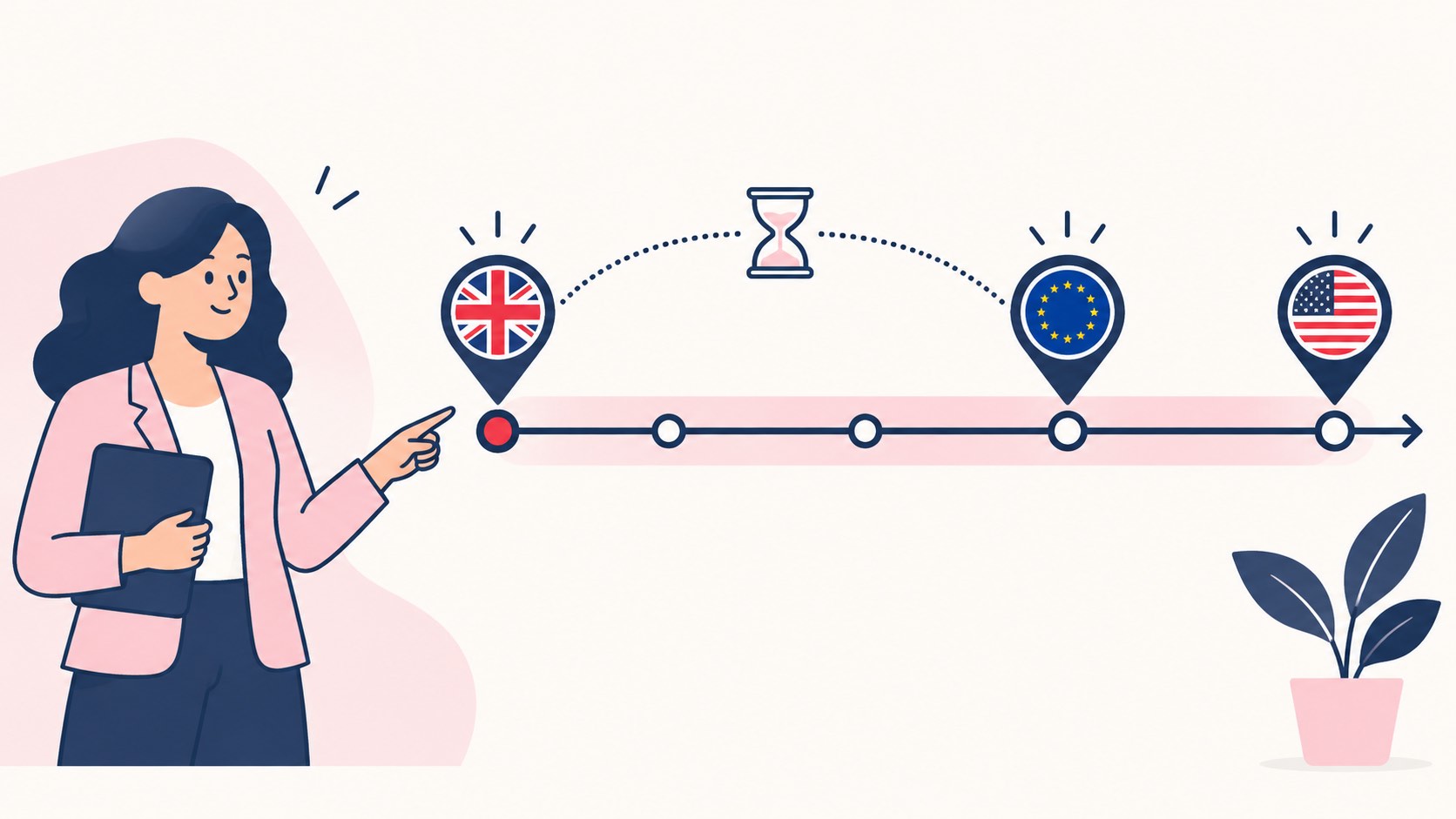
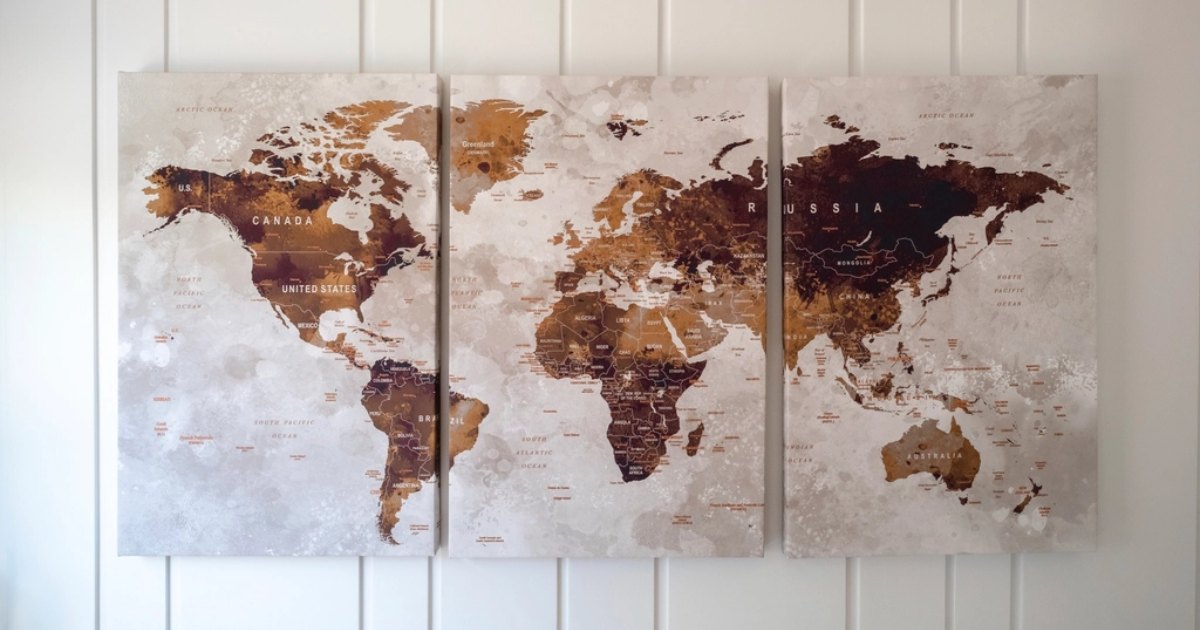
No. A trademark is a territorial right, so your UK registration gives you rights in the UK and nowhere else.
That’s probably the most expensive misunderstanding in this whole subject, and it catches out businesses that have done everything else properly. People assume protection travels with the business as it grows. It stops at the border.
It’s worth saying this isn’t a loophole or an oversight. It’s how the system is built. Every country runs its own register, applies its own law and decides for itself, which is why the same brand can win in one place and lose in another within a couple of months, with neither office having got it wrong.
Someone overseas is using my name. What can I actually do?
It comes down to whether you hold a right in their country.
If you’re registered there, you have real options: a cease and desist backed by an actual right, a platform takedown, customs enforcement in some territories, and court action if it comes to that. If you’re not, your position is weaker but not always hopeless. Platform takedowns can still be possible on other grounds, and if they’re selling into a country where you do hold a registration that may give you a route even though their home base doesn’t. If they’ve applied to register your name, you may be able to oppose it.
What you generally can’t do is force a business in a country where you hold no rights to stop using a name simply because you used it first somewhere else.
There’s a question I’d ask before any of that, though, and it’s the one people skip. What outcome are you actually trying to achieve? Whether somebody can start legal action is rarely the interesting question. Do you want them gone, or do you want them out of your actual market, or do you just want them to stop using your product photography? Those are three different problems with three different price tags, and the cheapest one is often achievable without a lawyer going anywhere near it.
What if they registered it there before I did?
This is the situation that hurts, and it’s more common than people expect in fast-growing markets.
Sometimes it’s opportunistic, where somebody watches which brands are gaining traction elsewhere and registers the name locally, then waits. Sometimes it’s entirely innocent and two businesses simply arrived at the same name.
Either way, if they hold the registration and you don’t, expanding into that market can mean negotiating with them, rebranding for that territory, or challenging the registration on grounds such as bad faith or non-use. All three are slower and more expensive than filing there would have been, which is the whole argument for doing it early.
Which countries should I actually be registered in?
Not all of them. That’s neither affordable nor necessary, and anyone telling you otherwise should be asked why.
The sensible test is where you actually sell, where you genuinely plan to sell in the next few years, and where a copy of your brand would do you real commercial damage. For a lot of UK businesses that’s a short list.
There’s more than one route. A single international application through the Madrid System covers multiple territories from one filing, which looks tidy and sometimes is. Filing directly in each country through local representatives costs more upfront and tends to produce fewer surprises later. Which is right depends on how many territories you need and how straightforward your mark is, and we’ll tell you honestly which one fits rather than defaulting to whichever is easiest to quote for.
Why this bites smaller businesses harder
A large group has people whose job this is. They can file broadly, watch several registers, and absorb the cost of a mistake in a market that didn’t work out.
A smaller business is usually making the call with imperfect information and a finite budget, and that’s a perfectly rational way to run a company. The difficulty is that the consequence lands differently. A dispute that’s an irritation to a corporate can genuinely damage a business with one brand and a handful of staff. That asymmetry is the reason I’d push almost every SME towards prevention over enforcement. Catching this at the point you decide to sell into a new market costs very little. Catching it after somebody’s registered your name there costs a great deal.
What should I do now?
Write down where you sell today and where you expect to sell within three years. Then check what you’re actually registered for in each of those places, because most businesses have never seen that in one list. If somebody’s already using your name overseas, get the position checked before you send anything, since a letter threatening something you can’t enforce does more harm than good. And if you’re expanding, treat each new market as its own decision rather than an extension of the registration you already hold.
Our international trademark registration page sets out the routes and what each genuinely costs, and a trademark consultation and audit will tell you where you’re protected and where you’re exposed.
You can book a free 15-minute call, email enquiries@thetrademarkhelpline.com or call 0161 833 5400.
This article is for information purposes only and does not constitute trademark advice or guidance.
Questions about this
Someone in another country is using my brand. Can I stop them?
It depends whether you hold a right in their country. If you do, you have real options. If you don’t, you may still have routes through platform takedowns or by opposing their application, but you generally can’t force them to stop simply because you were first somewhere else.
 Answered by Jonathan Paton, Founder & CEO
Can I obtain a global trademark?
No. There’s no such thing as a single worldwide trademark. There are filing routes that cover several countries in one application, which feels similar but isn’t. Every country grants its own right and can refuse yours.
Answered by Jonathan Paton, Founder & CEO