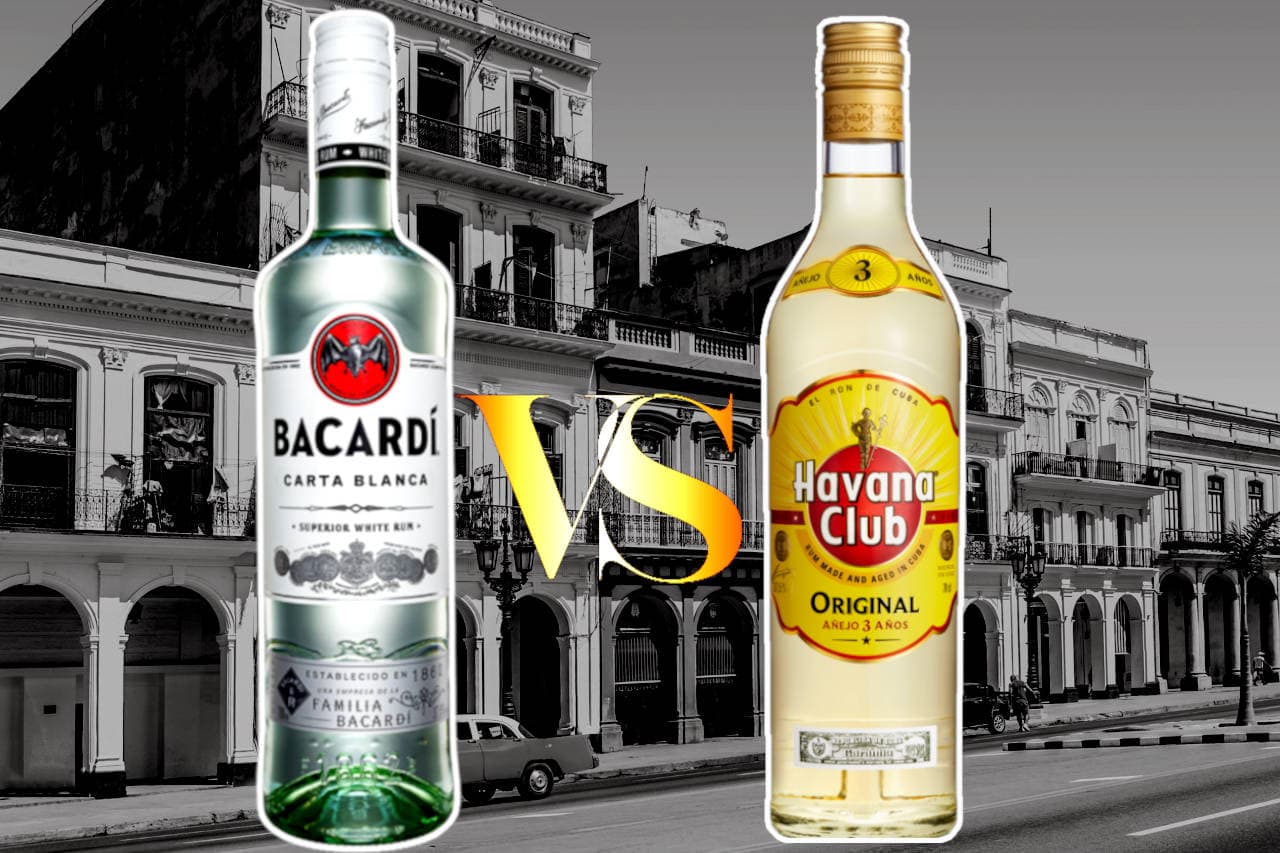
In another twist to the decades-long trademark dispute, spirits giant Bacardi has experienced a notable setback. A Virginia federal court recently dismissed Bacardi’s lawsuit against the U.S. Patent and Trademark Office (USPTO), marking a significant victory for Cubaexport, the Cuban state-owned entity behind the Havana Club brand.
This latest ruling, delivered on 24 January 2025 by U.S. District Judge Leonie Brinkema, reverses the momentum Bacardi gained last year when the U.S. Court of Appeals revived its challenge. Previously, we covered how that appellate decision allowed Bacardi to dispute the USPTO’s controversial 2016 renewal of Cubaexport’s Havana Club trademark. However, the recent judgment represents another hurdle for Bacardi’s long-standing legal efforts.
Understanding the Latest Ruling
Bacardi’s core argument has consistently centred around the legitimacy of Cubaexport’s 2016 Havana Club trademark renewal. Bacardi maintains the renewal should not have been granted, arguing it was unlawfully permitted due to a delayed approval from the U.S. Treasury Department’s Office of Foreign Assets Control (OFAC). Bacardi asserts the renewal was invalid since Cubaexport failed to secure this required licence within the mandated timeframe.
Although Bacardi successfully contested an initial dismissal of its lawsuit last year, Judge Brinkema’s latest ruling sided firmly with the USPTO and Cubaexport. The court concluded the USPTO acted appropriately and within its discretionary powers when renewing the trademark.
The court filing did not disclose detailed reasoning for the decision, but Bacardi swiftly announced plans to appeal. The company alleges the USPTO overlooked essential legal processes and internal regulatory standards.
Broader Implications for Trademark Owners
This decision arrives amid shifting political dynamics. In December 2024, U.S. President Joe Biden signed legislation barring U.S. agencies from recognising trademarks seized by the Cuban government during the Communist revolution. Although this new law does not directly challenge Cubaexport’s ownership of Havana Club, it adds complexity to an already intricate trademark landscape involving Cuban nationalised brands.
Cubaexport, together with French spirits distributor Pernod Ricard, which sells Havana Club globally, welcomed the court’s ruling as reinforcing their legal position.
Conversely, Bacardi continues to sell its own Havana Club rum variant in the U.S., citing rights derived from its acquisition of the brand from the original Cuban owners, the Arechabala family.
What’s Next for Bacardi?
Despite this legal reversal, Bacardi remains determined, having confirmed its intention to appeal the decision. Consequently, the Havana Club trademark dispute remains open, with further court proceedings anticipated.
Bacardi has previously achieved success in related disputes. Last year, a Washington, D.C. court ruled in its favour against trademark infringement claims brought by Cubaexport. However, this victory did not resolve the broader question of trademark ownership.
As Bacardi prepares its next legal moves, its ongoing battle against Cubaexport continues to attract attention from brand owners, legal experts, and businesses worldwide concerned with international trademark rights and renewal processes.
For more insight into Bacardi’s earlier successful appeal and its implications, read our previous coverage.
Key Takeaways for Your Brand
Bacardi’s experience offers important lessons in brand protection and trademark disputes:
- Vigilantly Maintain Your Trademarks Keep registrations current and anticipate regulatory or administrative hurdles that could impact renewals or registrations.
- Understand the International Landscape Trademark disputes involving international entities require careful navigation of local laws, international regulations, and political developments.
- Persistence is Crucial Initial setbacks may not be definitive. Continuing to pursue your legal rights through appeals can potentially lead to positive outcomes.
Protect Your Trademark Today
The Bacardi Havana Club dispute underscores the complexities and importance of trademark protection in international business. If you’re facing trademark challenges or want to proactively safeguard your brand, our specialists at The Trademark Helpline are here to provide expert guidance on trademark registration, monitoring, and enforcement.
Need support with your trademark strategy? Contact us today to ensure your brand remains robust, distinctive, and protected.
Questions about this
What did the court decide in Bacardi’s 2025 Havana Club case against the USPTO?
On 24 January 2025 a Virginia federal court dismissed Bacardi’s lawsuit against the US Patent and Trademark Office, finding that the USPTO acted appropriately and within its discretion when it renewed Cubaexport’s Havana Club trademark in 2016. Bacardi had argued the renewal was invalid because a required licence was not secured in time. The filing did not disclose detailed reasoning, and Bacardi announced plans to appeal, so the dispute remains open.
 Answered by Jonathan Paton, Founder & CEO
What can brand owners learn from the Havana Club trademark dispute?
The main lesson is to maintain registrations carefully. Keeping trademarks current and anticipating administrative or regulatory hurdles that could affect a renewal avoids giving anyone grounds to challenge your rights. The dispute also shows that international trademark matters can be shaped by local laws, international rules and political developments, so brands trading across borders benefit from understanding the position in each country before problems arise.
Answered by Jonathan Paton, Founder & CEOIs a court ruling in a trademark dispute always the end of the matter?
Not necessarily. Initial setbacks are not always definitive, and pursuing your rights through an appeal can sometimes change the outcome. In the Havana Club dispute, Bacardi had its challenge revived on appeal, then lost at the district court and announced a further appeal. That said, every round adds cost and time, so it is worth weighing the strength of the case and the likely benefit before deciding to continue.
Answered by Jonathan Paton, Founder & CEO