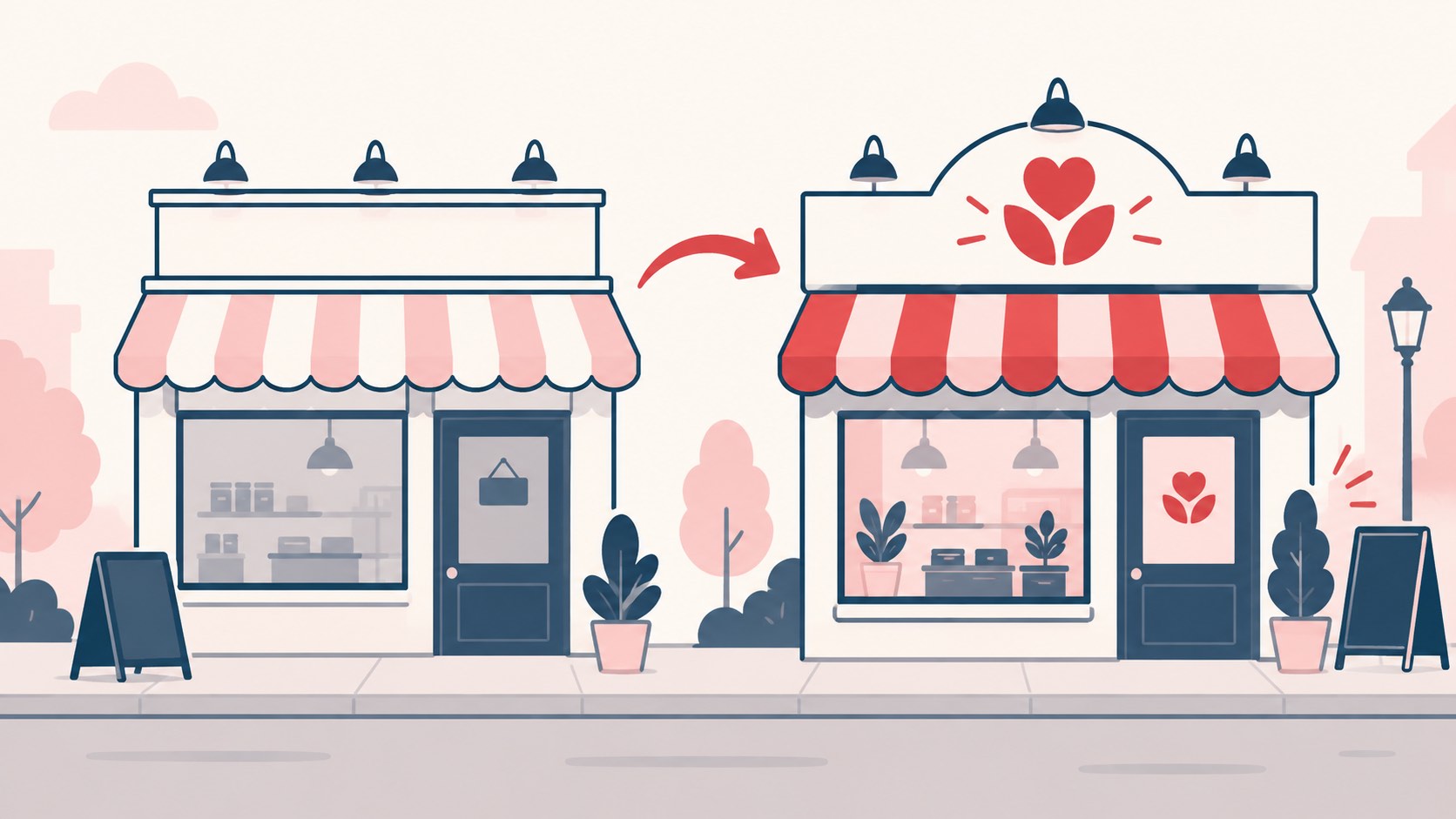
Yes. Before you pay for a new logo, website, signage or packaging, it’s worth confirming two things: that the new name or logo is capable of being registered at all, and that nobody else already holds rights that clash with it. A trademark check before a rebrand is one of the quickest and least expensive parts of the whole project, and it’s the only part that tells you whether you’ll actually own what you’re paying to design.
I put it this way on LinkedIn: changing a logo is easy. Changing it twice is expensive.
Why does a trademark check before a rebrand come first, not last?
Because every other part of the rebrand is built on the name, and the name is the only part that can be taken away from you. Yet the check is very often left until the end, after the designer has finished, the website is built and the launch date is in the diary.
The easiest way I can describe it is planning permission. You wouldn’t let the builders start on an extension before you knew the council would allow it. The brickwork might be beautiful, but if permission is refused, the quality of the work doesn’t help you. A rebrand works the same way. The creative work can be excellent and still have to come down if someone else has an earlier claim to the name, or if the name turns out to be something nobody can own.
Before trademarks I worked in marketing and media, so I understand why the design comes first in most people’s minds. It’s the exciting bit. But if the answer to “can we own this?” turns out to be no, the cost is far greater than the trademark itself. It’s the logo, the website, the signage, the printed materials, the launch campaign, and then the same again for the replacement.
A good first look costs nothing. Our free trademark search checks a name against the UK register at no cost, and it’s worth running before the brief goes to the designer rather than after. If you want the fuller picture, our trademark consultation and brand clearance audit goes further, checking international registers, domain names, social media and online marketplaces as well as the UK register.
What does “can it be trademarked” actually mean?
It means two separate questions, and a name has to pass both. One is about the name itself. The other is about everybody else.
Is the name capable of registration?
Some names can’t be registered by anyone, however clear the register is. Section 3 of the Trade Marks Act 1994 rules out marks that lack any distinctive character and marks made up only of words that describe the goods or services, such as their kind, quality or intended purpose. The UK IPO examiner checks this when you apply.
Descriptive names are tempting in a rebrand because they explain themselves. That’s exactly the problem. If the name simply says what you do, the law is reluctant to give one business a monopoly over it. There is an exception where a name has acquired a distinctive character through use, which our guide to acquired distinctiveness explains, but a brand-new name has had no use at all, so it can’t rely on that.
Does anyone already have earlier rights?
This is the question most people think of, and it’s wider than an identical name in an identical business. The test is whether a similar name, for similar goods or services, could confuse customers.
When you apply in the UK, the IPO searches for earlier UK and international marks that might conflict and lists them in your examination report. It won’t refuse your application because of them. Instead, according to the IPO’s earlier rights fact sheet, if your application is published it notifies the owners of those marks, and they then have the chance to oppose. The opposition period is two months from publication, extendable to three.
Earlier rights don’t only live on the trademark register, either. A business that has been trading under a similar name can have rights without ever registering it, and a name being free at Companies House says very little about whether it’s free to use. Our article on whether a name that’s free at Companies House can be used goes into that in more detail.
Is the new logo clear too?
A logo is checked in the same way as a name. If the new logo contains words, those words need to pass both tests. If it’s a graphic, the question is whether it looks confusingly like someone else’s. Once it has been checked, we can help with trademarking your logo as well as the name.
What can go wrong if you check after the launch?
The rebrand can be challenged just as it starts to work. In June I wrote about a small London-based Singaporean sauce brand that planned to rebrand around a phrase it had been using as a tagline. Mothership reported that when the founder applied in October 2025 to register the new brand names, Warner Bros opposed them, arguing they were too close to its 2018 film Crazy Rich Asians. The founder withdrew those applications in December 2025 and announced a different brand name in January 2026, saying a long fight with a global studio wasn’t affordable for a small start-up.
I’m not going to say who would have won. What interests me is the timing. Food sauces and films look like different worlds on paper, and the tagline had been used for a while, yet the problem only surfaced when the business tried to make the phrase its main brand. That’s the point at which a check pays for itself.
It’s also why the cost of getting this wrong is rarely the application fee. We’ve set out what a forced change really involves, from stock and signage to search visibility and goodwill, in our answer on what a forced rebrand costs. The most expensive trademark application is the one that fails, and the fee is usually the smallest number involved.
How do you check a name can be trademarked before a rebrand?
Work through it in order, before anything is designed or printed. The sequence I’d suggest:
- Shortlist more than one name. If your favourite fails, you want a second option that has already been through the same checks, not a panic decision two weeks before launch.
- Search each name on the UK register. Look for identical and similar names, including different spellings and names that sound alike.
- Think about what you sell, not just what you’re called. Trademarks are registered for particular goods and services. A similar name in a related area can matter as much as an identical name in yours.
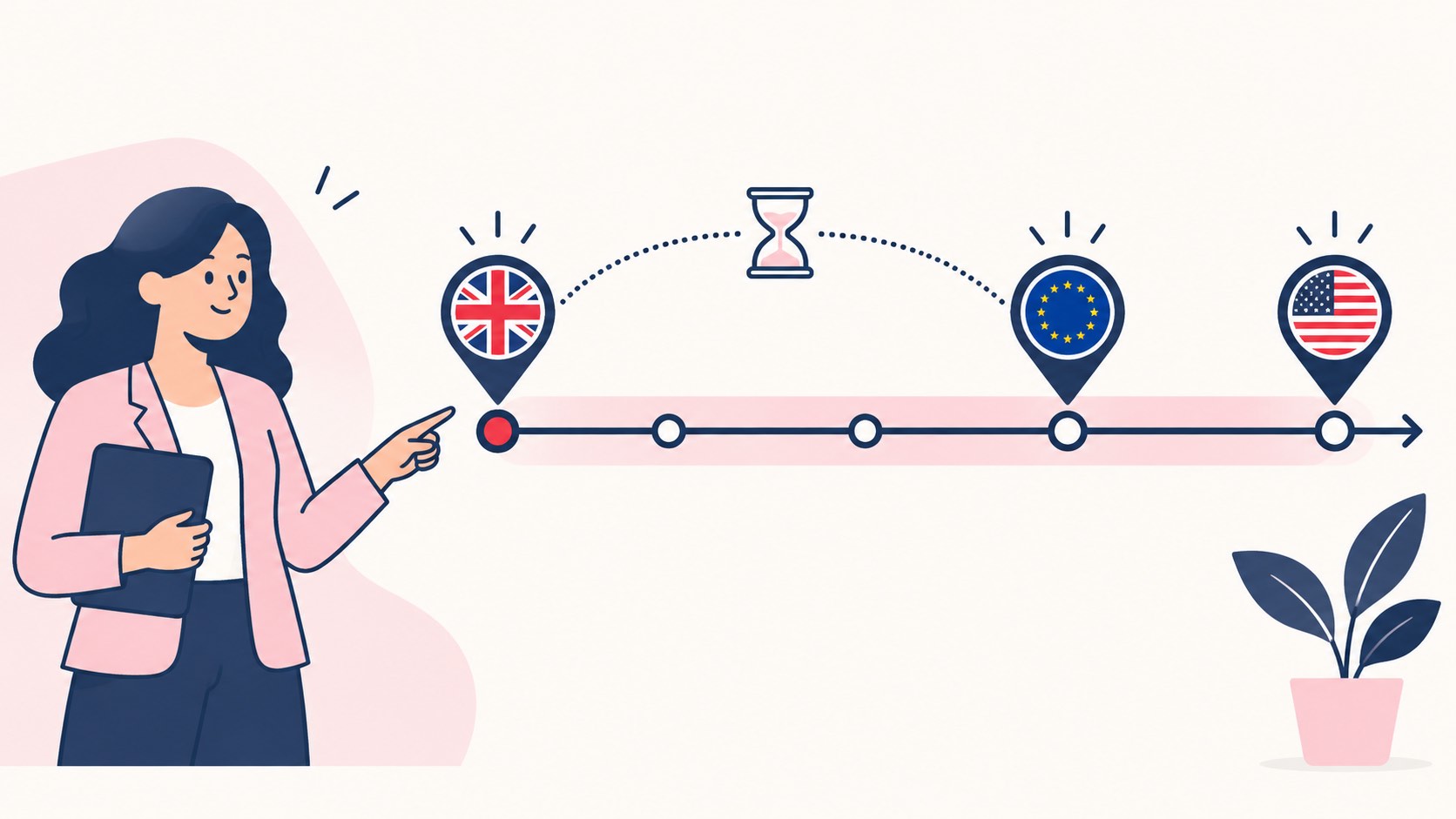
- Check the places you trade or plan to trade. A UK registration covers the UK and the Isle of Man. If the rebrand is partly about growing abroad, the name needs checking there too.
- Be honest about distinctiveness. If the name mainly describes the product, expect an objection at examination.
- Get a proper clearance audit before you apply. A search tells you what’s on the register. A clearance audit looks at how close the conflicts really are, the classes you need and the realistic risk of opposition.
- File before you reveal. The UK IPO’s official fee starts from £205 for one class, and your rights date from the day you file. Then brief the designer.
Can you just update your existing trademark instead?
Usually not. Under section 44 of the Act, a registered trademark can’t be altered, apart from a narrow exception where the mark includes the owner’s name or address. A new name or a substantially new logo needs a new application, with its own checks. What you do with the old registration is a separate decision, and one worth making deliberately rather than by letting it drift.
How can we help with a rebrand?
A lot of what holds business owners back is fear of the unknown. They don’t know what the process involves or what could go wrong, so the trademark gets left until the end. That’s why we carry out a full brand clearance audit before we apply for anything. The aim isn’t just to get an application sent. It’s to give the new name the best chance of registration, so you know what you can safely build around before the money goes on design. A clearance audit starts from £99, and the first consultation is free for new clients. Once the name is clear, filing your UK trademark application with us is the next step, and it goes in before the launch, not after.
If a rebrand is on the horizon, book a free call with our team, email enquiries@thetrademarkhelpline.com or ring 0161 833 5400 before the design brief goes out. Branding doesn’t begin with design. It begins with knowing whether the brand can be owned and protected.
Related questions
- What are trademark classes, and which ones do I need?
- Can someone trademark a name I’m already using and force me to stop?
- Can someone steal my business name?
This article is for information purposes only and does not constitute trademark advice or guidance. Last reviewed 25 September 2026. First shared as a LinkedIn post.