Yes, and usually sooner than people think. If customers already know you by a name on Instagram, TikTok or YouTube, that name has value, even if the business behind it is still getting going. But a handle or username isn’t a trademark. For a brand that started on social media, the main thing is to check the name is clear and protect it before the audience, the ad spend and the reviews all pile up on something you don’t own.
I look after marketing here rather than the legal side, so this is written from the audience-building end of things. Where I touch on the legal points, they come from our trademark team, and I’ll keep them simple.
Why do so many brands now start on social media?
Because it’s the easiest place to start. We made this point on The Trademark Helpline’s company page in June. It used to be predictable: people registered a company at Companies House first, and that was the moment a name went official and the moment a clash with someone else’s brand became visible.
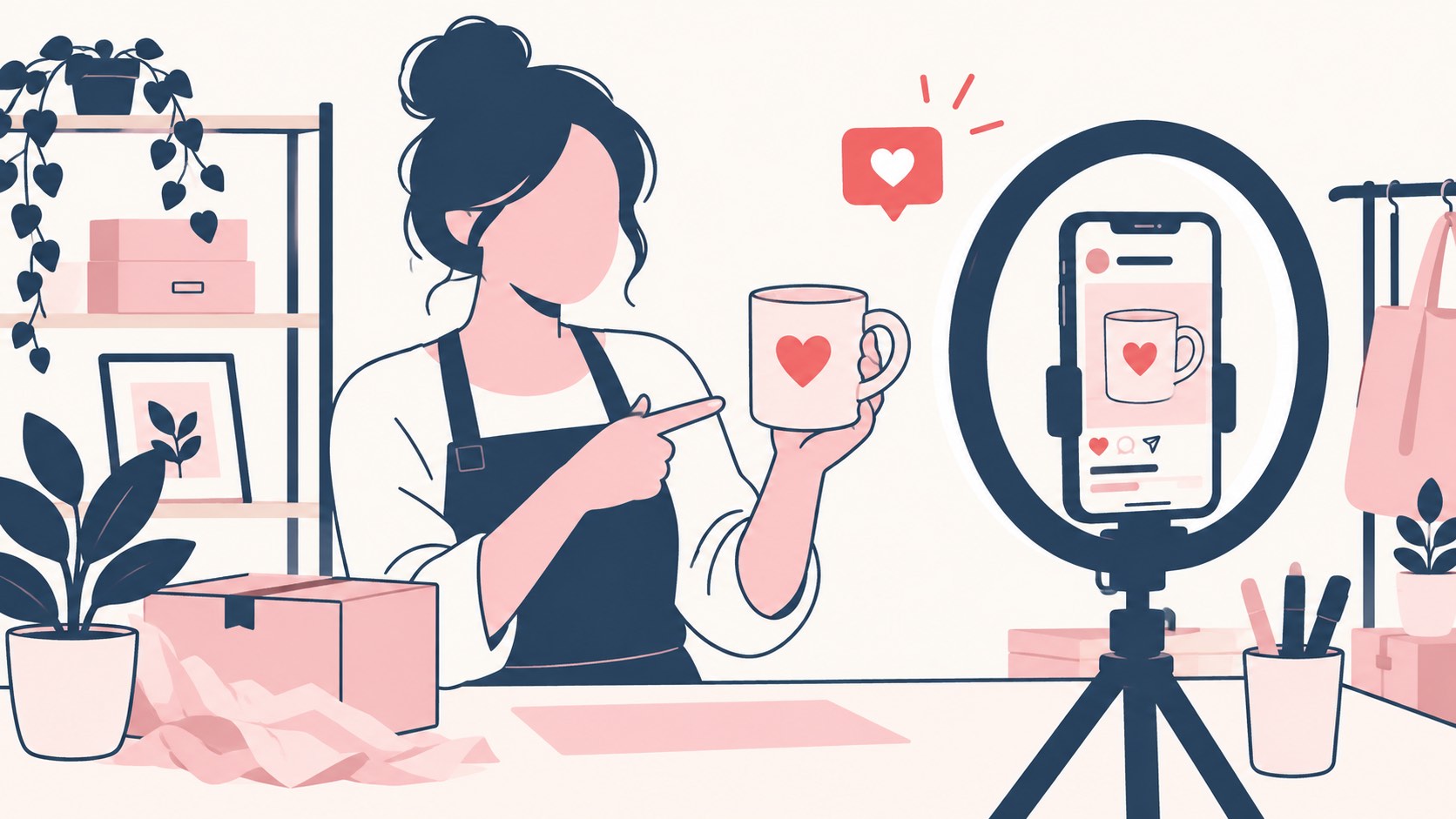
It’s the other way round now. People start by posting, build an audience around something they care about, and the business grows out of that. The paperwork comes later. From a marketing point of view that makes complete sense, because you can test an idea for almost nothing. The catch is that the name becomes valuable long before anyone files anything.
A few everyday examples of what that can look like:
- A home baker whose cake videos take off, and who starts taking orders under the account name.
- A candle maker who sells through Instagram posts and direct messages before there’s ever a website.
- A fitness coach whose free videos turn into paid programmes under the same name.
In each case the name is doing real marketing work months before there’s a company, a logo file or a trademark.
Does your Instagram name or handle give you trademark rights?
No. In simple terms, a handle is an account name on someone else’s platform. It shows you got there first on that app, and that’s about it. It doesn’t stop someone registering the same name as a trademark, and it doesn’t travel to other platforms. The way to own the name itself, rather than just the account, is a registered trademark, and that’s what our UK trademark registration service files for you.
The same goes for a company name. Companies House has said plainly that registering a company name doesn’t automatically protect it by trademark law. Our team explains the difference in more detail in what protection a name on Companies House gives you, and in their guide to who enforces social media accounts and handles.
Our team’s view is that using a name without registering it isn’t worthless. The law of passing off can protect a reputation you’ve built. But it depends on proving that reputation with evidence, which is slower, costs more and is far less certain than pointing to a registration. A UK trademark registration is the clearer route, and it covers the UK and the Isle of Man.
What’s the marketing risk of building on a name you don’t own?
The risk is that everything you’ve built is tied to the name. Think about what sits behind a social-first brand:
- Followers who search for you by name.
- Months or years of posts, videos and tags.
- Reviews, mentions and links from other accounts.
- Ads that have trained the algorithm to find your audience.
- Packaging, labels and a domain bought to match.
If someone else registers the name first, you might be the one asked to stop using it. Changing a name at that point isn’t just a new logo. It’s re-educating an audience, and some of them won’t follow you across.
And the part worth sitting with, as our post said: most of the time nobody is doing it on purpose. Two people can build similar names on different platforms without either knowing about the other, and because the activity is on social media rather than an official register, the old ways of spotting a clash don’t catch it. The best way to look at it is that the risk is quiet, not dramatic, which is exactly why it gets left.
When is the right time to trademark a brand that started on social media?
The general question of whether to trademark before or after you launch is answered by our team on the UK trademark registration page linked above, so I won’t repeat it here. For a brand that started on social media, the practical point is that the launch has often already happened, so the useful question becomes which moment is next. From the marketing side, I’d use these as triggers to act:
- You start charging for something under the name.
- You’re about to spend real money on ads, packaging or stock.
- You’re about to launch a website, a new platform or a big campaign.
- Your audience is growing fast and people are starting to search for you by name.
If any of those are true, it’s worth checking the name now rather than after the next growth spurt.
How do you protect a social media brand, step by step?
Here’s the practical version.
- Check the name. Run it through our free trademark search to see whether anything similar is already on the UK register. It’s free, unlimited and instant. Search the main platforms for similar handles too.
- Write down what you actually sell, and what’s next. A trademark covers specific goods and services, so the cake maker who plans baking classes needs to say so. Our team can help you pick the right classes.
- Line up your handles and domain. Try to use the same name everywhere, so customers aren’t split across variations.
- File before the big announcement. The UK IPO’s official fee starts from £205 for one class, and official fees vary by territory and number of classes. GOV.UK notes that your application is published as soon as you apply, so it’s worth filing before a major campaign rather than halfway through it. If there are no issues, registration usually takes around three to four months.
- Keep dated evidence. Screenshots of early posts, first orders and invoices, and follower growth over time. Our team says this kind of record is exactly what matters if a dispute ever comes up.
- Keep an eye out for copycats. Once you’re registered, reporting fake or copycat accounts gets much more straightforward, as our team explains in their guide to removing fake social media accounts. Our social media takedown service can handle the reporting for you.
How can we help?
The free trademark search is the simplest place to start. If the name is already out in the world and you want a fuller picture, our Trademark Consultation and Clearance Audit checks a name across trademark registers, domains, social media and online marketplaces before you commit more money to it. Clearance audits start from £99, and consultation is free for new clients.
You can also book a free call with our team, ring 0161 833 5400 or email enquiries@thetrademarkhelpline.com. These days the brand almost always comes before the business. Protecting it can too.
Related questions
- Can someone steal my business name?
- Can someone trademark a name I’m already using and force me to stop?
- Does owning the domain name protect my brand?
- What would it cost me to rebrand if I am forced to change my name?
This article is for information purposes only and does not constitute trademark advice or guidance. Last reviewed 25 September 2026. First shared as a LinkedIn post.