
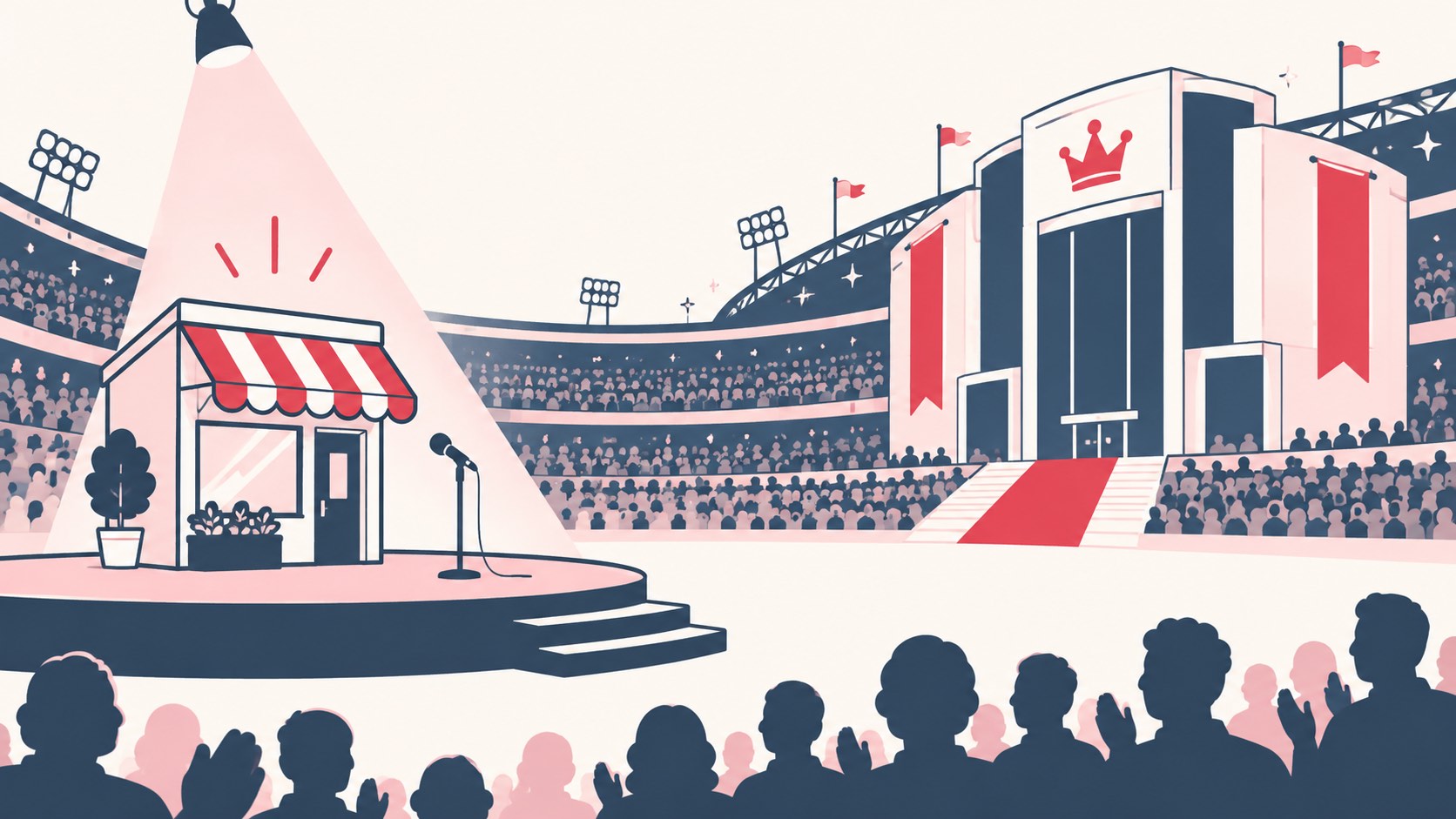
Can a smaller business’s trademark stop a famous brand? It can certainly slow one down, and Taylor Swift is finding that out. On 30 March 2026 a Las Vegas performer who works as Maren Wade sued Swift’s companies in Los Angeles over merchandise for The Life of a Showgirl, relying on her registered trademark CONFESSIONS OF A SHOWGIRL, which she’s used since 2014. Months earlier, the US trademark office had already refused part of Swift’s own application because of Wade’s mark. Prior trademark rights don’t care how famous the later applicant is.
Even our beloved Taylor Swift isn’t above the laws of intellectual property. I’m not going to predict who wins. The case is live and a US court will decide it under US law. But the timeline is a very clear lesson in why the date on your filing matters more than the size of your audience. If you’re on either side of a dispute like this in the UK, our trademark opposition service covers bringing an opposition and defending one. With our trademark representation and protection in place, the IPO’s notices come to us, so a deadline doesn’t slip past while you’re busy running the business.
What happened in the Taylor Swift Showgirl trademark dispute?
Here are the dated facts, as far as the public records show them.
- 2014 and 2015. Wade began using CONFESSIONS OF A SHOWGIRL in 2014, starting as a column in Las Vegas Weekly, and registered it as a US trademark (No. 4800625) in 2015, according to Music Business Worldwide.
- 11 August 2025. TAS Rights Management, the company that holds Swift’s intellectual property, filed US application 99331566 for THE LIFE OF A SHOWGIRL, claiming priority from a Jamaican filing of 15 May 2025. The USPTO record shows goods including candles, recordings and phone accessories.
- 3 October 2025. The album was released.
- 5 November 2025. The USPTO examiner issued a non-final refusal for part of the application, citing a likelihood of confusion with Wade’s registration. Swift’s team responded in February, and on 3 March 2026 the application was suspended.
- 30 March 2026. Wade, whose legal name is Maren Flagg, sued Swift, TAS Rights Management, UMG Recordings and Bravado in the US District Court for the Central District of California (case 2:26-cv-03354).
- 27 May 2026. The judge heard Wade’s request for a preliminary injunction and took it under submission. Courthouse News reported that Swift’s lawyer argued consumers weren’t realistically likely to be confused. Swift’s side has also moved to dismiss the claim.
Update, September 2026: Wade filed an amended complaint on 16 June 2026. On 21 July the court treated the first motion to dismiss as moot and asked the parties to explain whether the injunction request was now moot too. A new motion to dismiss is set for hearing on 7 October 2026, and on 22 September 2026 the USPTO issued a further non-final action on Swift’s application. When we checked the court docket on 25 September 2026, there had been no ruling on the merits.
How do prior trademark rights work in the UK?
In much the same way, but the route is different. Prior trademark rights, an earlier registered mark or an earlier right built up through use, can block a later application however famous the applicant. Under section 5 of the Trade Marks Act 1994, a later mark can be refused if it’s identical or similar to an earlier one, for identical or similar goods or services, and customers are likely to be confused.
The big difference is who does the stopping. In the US, the examiner refused part of Swift’s application on their own initiative. In the UK, the IPO searches for earlier marks and tells both sides if it finds one, but it’s up to the earlier owner to oppose. There’s a two-month window after publication, extendable to three, and the earlier right doesn’t have to be registered.
Two honest caveats. An earlier owner whose mark was registered more than five years before the later application has to show genuine use of it to rely on it in an opposition. And fame isn’t worthless: a well-known mark can get wider protection of its own. But fame doesn’t buy you an earlier date.
Does trademark protection start when you apply or when you’re registered?
Your date starts when you apply. In the UK your rights, once registered, run from the filing date, although you can’t bring infringement proceedings until the mark is actually registered. Your application is published on GOV.UK as soon as you file it, so it’s a matter of public record from day one, and you can use ™ while you wait. Only a registered mark can carry ®.
Trademark law isn’t about big firms monopolising markets. It’s the opposite. It lets start-ups and SMEs protect the name, the logo, the tagline and even the sound of a brand, and compared with patents, trademarks are cheaper, simpler and usually registered in months rather than years, all being well.
What does the Showgirl dispute mean for your brand?
Trademark rights don’t run on fame, or on who has the bigger marketing budget. They run on who got there first, for which goods and services, and whether a later mark is close enough to confuse. Rights are also territorial. A UK registration protects you in the UK, and a UK business selling into the US needs US protection, and the other way round.
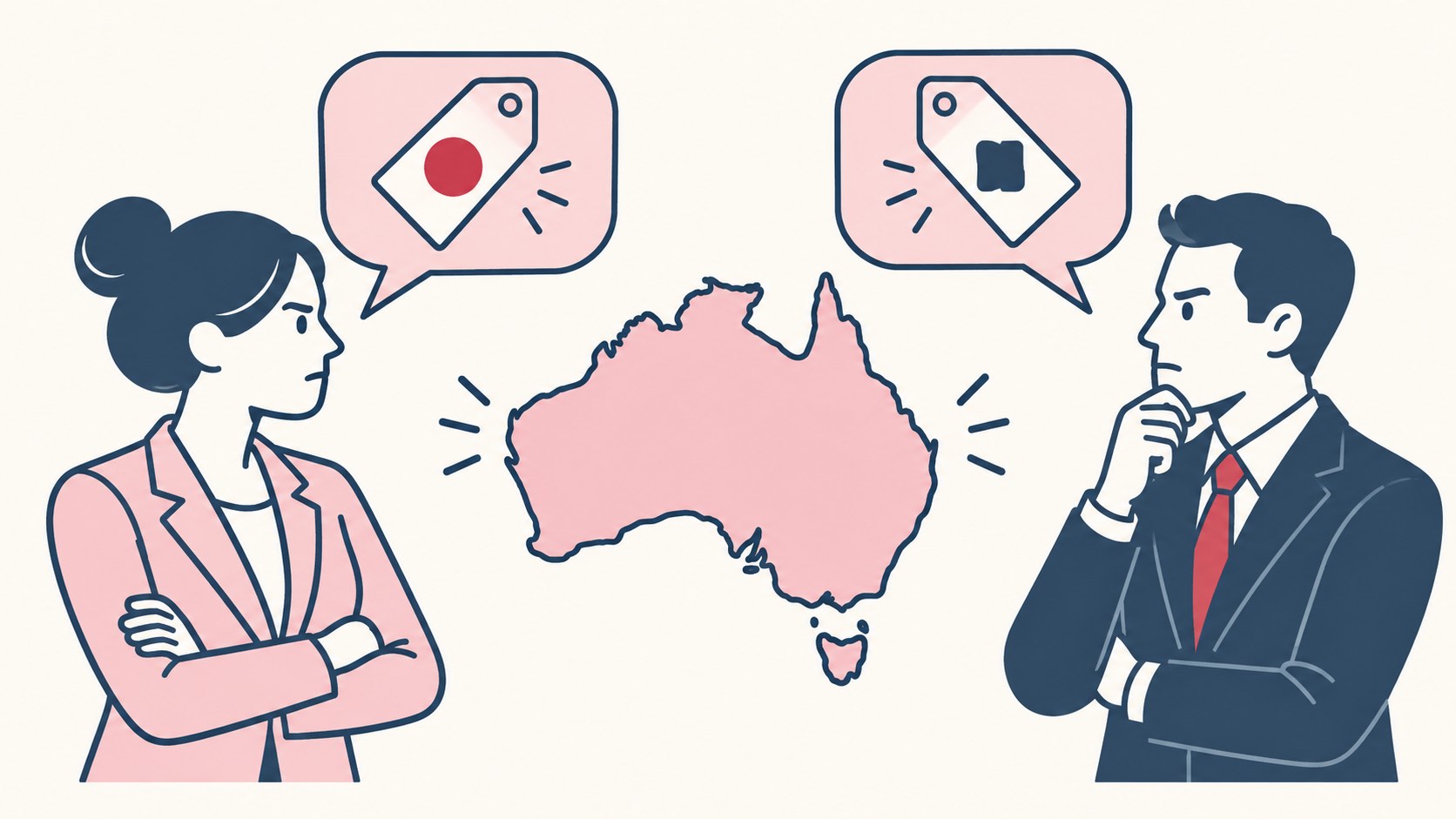
Wade’s position exists because she secured the mark where it mattered, before someone larger wanted it. Swift’s team clearly thinks about this too. We covered the filings for her voice and image in our piece on Taylor Swift trademarking her voice, and the Katie Perry and Katy Perry dispute in Australia is another example of a smaller name and a star fighting over the same word.
So whichever direction you’re heading, the cheap moment is the search at the start. Finding out a name is too close to one already registered is far better news in a clearance search than in a claim form. Start with our free trademark search. If the name’s clear, filing a UK trademark application with us fixes your date, and as Wade’s case shows, the date is what counts. You can also book a free call or ring 0161 833 5400.
Related questions
- Does a UK trademark protect me everywhere I sell?
- Someone in another country is using my brand. Can I stop them?
- Can someone steal my business name?
This article is for information purposes only and does not constitute trademark advice or guidance. Last reviewed 25 September 2026. First shared as a LinkedIn post.