If you register your trademark in the wrong class, your registration protects the goods and services you listed and very little else. You can’t add a missing class or term to an application once it’s filed, so the fix is a new application with a new, later date, and anyone who files for the gap in the meantime gets there first. You can hold a registered UK trademark and still own nothing that protects what you actually sell. The usual culprit isn’t the name. It’s the class you filed it in.
That’s the short answer. The longer one is worth having before you file, or before you rely on a registration you already hold.
What happens if you register your trademark in the wrong class?
You end up with a registration that works on paper and leaves gaps in real life. A trademark isn’t registered for your business in general. It’s registered for specific categories of goods and services, called classes, and within each class for the specific terms you pick. There are 45 classes in the international Nice Classification that the UK uses: classes 1 to 34 are goods and 35 to 45 are services. Our guide to trademark classes explains what sits in each one and how to find the right terms.
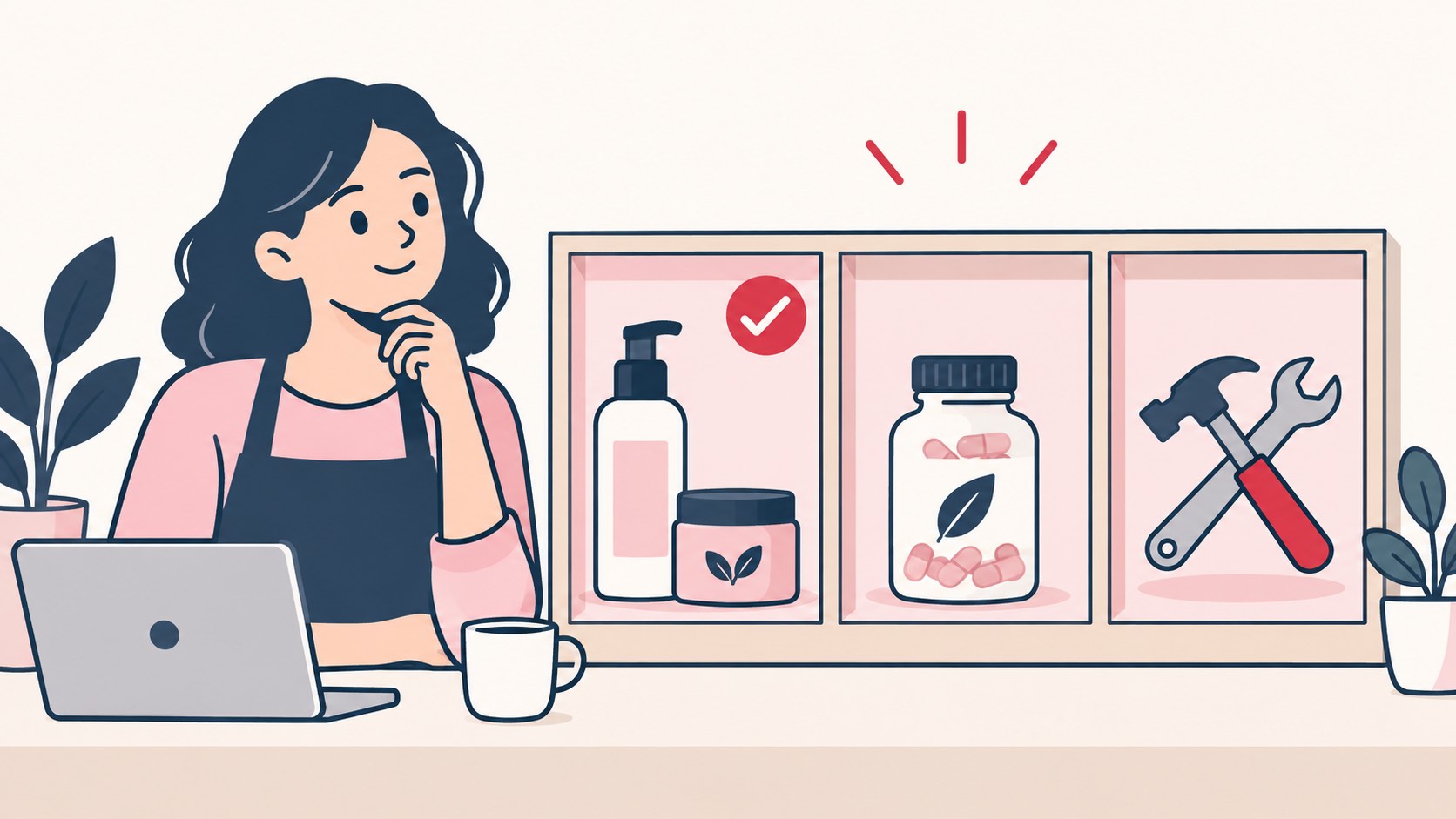
Here’s how it goes wrong. Say you sell skincare and you register in class 3, cosmetics. Good. But you also sell food supplements, which sit in class 5, and you run paid workshops, which land in class 41 (education and training). File class 3 on its own and a competitor can apply for your exact name in classes 5 and 41. Your registration doesn’t cover those goods and services, so you’re left arguing from a weaker position rather than pointing at a register entry that says they’re yours.
And you don’t usually find out at filing. The IPO examines the application you sent, not the business you run. The gap shows up later, when someone is already trading under your name in the space you left open. By then the cheap fix has gone. It’s why, when you file a UK trademark application with us, choosing the classes and the wording of the goods and services is part of the job from the start, not an afterthought.
Why can’t you just add the missing class later?
Because the rules don’t allow it. The IPO’s own guidance is plain: you cannot add more terms to your application after you send it. You can narrow a specification, but you can’t widen it.
So a missing class means a second application. The official fee isn’t the painful part. The UK IPO charges from £205 for one class and £60 for each extra class. The painful part is the date. Your new application only dates from the day you file it, and if somebody else has filed something close in that class in the meantime, their date beats yours.
I think of it like buying a house with a garden and later finding out the deeds only cover the house. You can try to buy the garden now, but if the neighbour has already put a fence round it, you’re negotiating, not owning.
Does the class number decide who wins a dispute?
No, and this is the reassuring bit. The class number is an administrative filing system. The Nice Agreement itself says the classification doesn’t bind countries when they assess how far a mark’s protection reaches. What matters in the UK is whether the goods or services are identical or similar, and whether customers are likely to be confused.
That means goods in different classes can still be similar. A registration for cosmetics may give you an argument against someone using your name on closely related products, even if they sit in a different class. It also works the other way: two things in the same class can be different enough to live side by side.
But an argument isn’t the same as a right. If your registration covers what you sell, you point at the register. If it doesn’t, you’re relying on similarity, evidence and somebody else’s judgement, which costs more and ends less predictably. Small businesses don’t have unlimited budgets for legal mistakes.
Is filing in every class the safe option?
No. Ticking every box to “be safe” creates a different problem. In SkyKick v Sky, decided on 13 November 2024, the UK Supreme Court held that applying for goods and services you have no intention of using can be bad faith, and that a registration can be cut back or cancelled for it. We covered the ruling in our piece on the Supreme Court and overly broad filings.
The IPO has since changed its examination practice. Since 27 June 2025, examiners can raise bad faith objections against specifications that are manifestly broad, and a claim for all 45 classes or for everything in class 9 will trigger one automatically. The IPO’s guidance is to choose terms that match your business plans for the next five years.
There’s a second reason not to overreach. Once a mark has been registered for five years, the parts you haven’t genuinely used can be revoked for non-use, and revocation can be partial, term by term. Classes exist so nobody can lock up a whole market they have no intention of trading in. That protects you too.
How do you choose the right classes before you file?
You match what you genuinely do, today and where you’re heading next, to the right classes and terms. In my experience this is where most self-filed applications quietly come unstuck, not on the name, on the specification. Three things help.
Start with what you sell today
List every product and service that carries the name, not just the main one. The add-ons are where the gaps hide: the supplement range next to the skincare, the training course next to the software, the merchandise next to the restaurant.
Add where you’re genuinely heading
If there’s a real plan to move into something in the next few years, it can belong in the application now. If it’s a vague “maybe one day”, it probably doesn’t, and the IPO may ask you to explain it.
Read the terms, not just the class headings
A class heading is broad. The terms inside it are what the register actually shows. Two businesses can both be “in class 9” and protect completely different things.
What if you’ve already registered in the wrong class?
Get the register entry out and read the list of goods and services, word for word. Then ask whether it covers everything you sell now and everything you’re planning to sell in the next few years. If there’s a gap, a new application for the missing classes and terms is usually the answer, and the sooner it’s filed the sooner your date is fixed. If somebody has already registered your name in the gap, it’s worth checking whether they’re actually using it. A registration that’s sat unused for five years can be challenged for non-use, and our trademark cancellation service can help you bring that challenge.
One tip. Trademarks last for 10 years, and industries change. WIPO publishes a new version of the Nice Classification each year, and new terms appear. Renewing a registration keeps what you have, but it doesn’t add anything, so if the business has moved on, it may be worth considering a fresh application with revised terms alongside the renewal.
Start with our free trademark search to see what’s already registered near your name. If you’d like someone to map your classes against what you actually sell, our trademark consultation and clearance audit starts from £99, and the consultation is free for new clients. You can book a free call, email enquiries@thetrademarkhelpline.com or ring 0161 833 5400.
If your name, logo or tagline is important to you, don’t leave the gap for somebody else to fill.
Related questions
- Can I register a trademark myself, or do I need an attorney?
- Can someone steal my business name?
- Can someone trademark a name I’m already using and force me to stop?
This article is for information purposes only and does not constitute trademark advice or guidance. Last reviewed 25 September 2026. First shared as a LinkedIn post.