The ownership problem rarely appears while everybody agrees. It appears when a founder leaves, a company takes investment, a relationship breaks down, the business encounters financial difficulty or somebody wants to sell.
At that point, discovering that the trademark belongs to the wrong person can become expensive.
We have seen businesses invest considerable time and money into brands that are registered personally to a founder, former director or business partner. We have also seen individuals assume they own part of a trademark because they own shares in the company named on the register.
Neither assumption is necessarily correct.
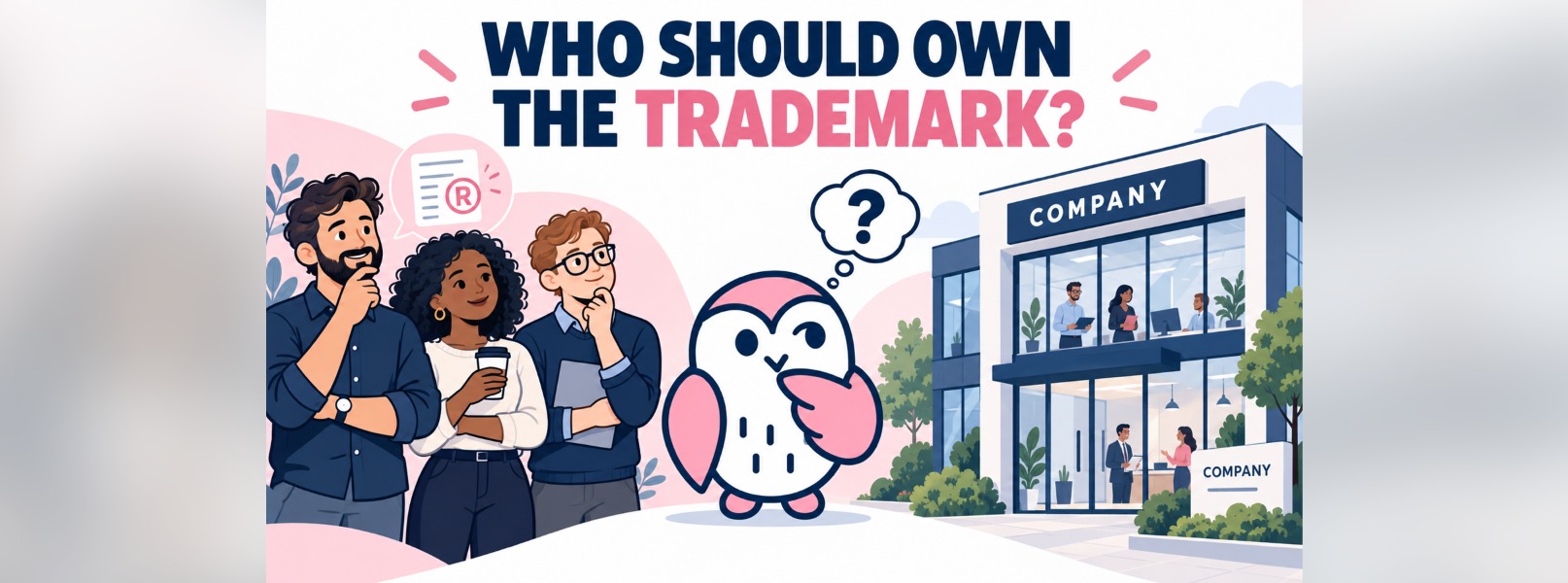
We believe trademark ownership should be decided deliberately before the application is filed. The owner should reflect how the brand will be controlled, funded, licensed, protected and eventually sold.
Who legally owns a registered trademark?
Start with the trademark register.
The individual, company or other legal entity named as the proprietor is the registered legal owner. It is not automatically:
- The person who created the name.
- The person who designed the logo.
- The person who paid the application fee.
- The founder of the business.
- The company using the brand.
- Every shareholder in that company.
The register provides important evidence of legal ownership, but it does not tell the entire commercial story.
Shareholder agreements, partnership agreements, licences, assignments, trusts and other arrangements may affect who controls the trademark, who receives income from it and who benefits if it is sold.
This is why two names appearing on the register do not necessarily mean that the commercial value is divided 50/50.
Should the trading company own the trademark?
Company ownership is often the most straightforward arrangement where the company:
- Trades under the brand.
- Pays for advertising and brand development.
- Receives the income generated under the name.
- Employs the people operating the business.
- Expects external investment.
- May eventually be sold with the brand.
Where a company owns the trademark, the trademark is one of the company’s assets.
The shareholders do not personally own corresponding percentages of the trademark. They own shares in the company, and the company owns the asset.
This distinction matters if a shareholder leaves. Selling or transferring their shares does not usually transfer the trademark away from the company.
Company ownership can therefore make investment and business sales easier because the brand remains with the company that operates it.
However, it can also mean that the trademark is exposed if the company becomes insolvent, is sued, grants security over its assets or sells the business.
Can an individual own the trademark?
Yes. A founder can own a trademark personally and allow their company to use it.
This can create a strong commercial structure when it is intentional and properly documented. The founder may want to retain control of the brand separately from the trading company, particularly where:
- Several businesses will use the same brand.
- The trading company carries significant commercial risk.
- The founder may license the trademark to franchisees or other businesses.
- The brand is intended to remain outside a future sale of the trading company.
- The individual developed the brand before the company existed.
The danger arises when the individual owns the trademark but there is no written licence or agreement governing the company’s use.
If the company has paid for advertising, product development, websites and years of brand building, the absence of a clear agreement may create uncertainty about ownership, control and the value each party has created.
That uncertainty can lead to a legal challenge, especially if the relationship later breaks down.
Can a holding company own the trademark?
Yes. Some businesses place their trademarks and other intellectual property into a separate holding company, which then licenses them to the trading business.
This can separate valuable intellectual property from day to day trading activity and create a structured basis for charging licence fees or allowing several companies to use the brand.
However, a holding company arrangement should not be created casually. The ownership, licences, payments and responsibilities need to be properly documented. Corporate, accounting and tax implications may also need advice from suitably regulated professionals.
TMH can help organise the trademark position and coordinate with the client’s accountant, solicitor or other professional adviser where necessary.
What happens if two people jointly own the trademark?
A trademark can be registered to two or more joint proprietors.
Under the usual legal starting point, joint proprietors have equal undivided shares unless an agreement provides otherwise. That does not necessarily mean each person owns a simple, independently transferable 50% share in the way they might expect.
Joint ownership can also restrict what either owner can do alone. For example, licensing the trademark or transferring an interest may require the consent of the other proprietors.
The commercial division can be governed by a separate agreement dealing with matters such as:
- Who may use the trademark.
- Who can grant licences.
- How licensing income is divided.
- Who pays renewal, monitoring and enforcement costs.
- Who decides whether legal action should be taken.
- What happens if one owner leaves, dies or becomes insolvent.
- Whether either owner can sell their interest.
- How the trademark will be valued if the owners separate.
Putting two names on the register without agreeing these points can store up a larger problem for the future.
Our article, If Your Business Partner Walked Tomorrow, Who Owns the Brand Name?, explains why ownership arrangements should be settled while everybody is still working together.
What if the trademark is registered to the wrong person?
Do not assume that using the trademark or paying for the business automatically corrects the register.
A registered trademark can normally be transferred through a written assignment. The ownership change should then be recorded with the relevant trademark registry.
Changing an owner’s name is not the same as changing ownership. Moving a trademark from an individual to a company, from one company to another or from a former partner to the continuing business normally requires a genuine transfer of the asset.
TMH can review the registration, establish the intended owner and manage the registry administration. Where the underlying ownership is disputed or regulated legal advice is required, we can coordinate assistance through our trusted panel of regulated partners.
What if the company paid to build a personally owned brand?
This is where ownership becomes more exposed to challenge.
The individual may be the registered proprietor, but another person or company may have funded the brand, generated the goodwill and carried out the commercial activity.
The register remains important, but it may not resolve every argument about agreements, beneficial interests, copyright, goodwill or the conduct of the parties.
That does not automatically mean the company owns the trademark. It means the position may be more complicated than the register suggests.
The longer the arrangement continues without a written licence or ownership agreement, the more evidence and professional work may be required if the parties later disagree.
What should you decide before applying?
Before submitting a trademark application, consider:
- Who is funding and operating the business?
- Who should control use of the brand?
- Who should receive licensing income?
- Will more than one company use the trademark?
- Is outside investment expected?
- Could the trading business be sold without the trademark?
- What should happen if a founder or partner leaves?
- What should happen if the owner dies or becomes insolvent?
- Who should authorise monitoring, enforcement and settlements?
- Does the proposed structure require corporate, tax or shareholder advice?
There is no single owner that is right for every business.
The Beckham ownership lesson
Celebrity trademarks provide a useful illustration because the person whose name appears in the trademark is not necessarily its registered owner.
Our article about Brooklyn Beckham’s trademark ownership and renewal explains how a name associated with one person can legally be registered to somebody else.
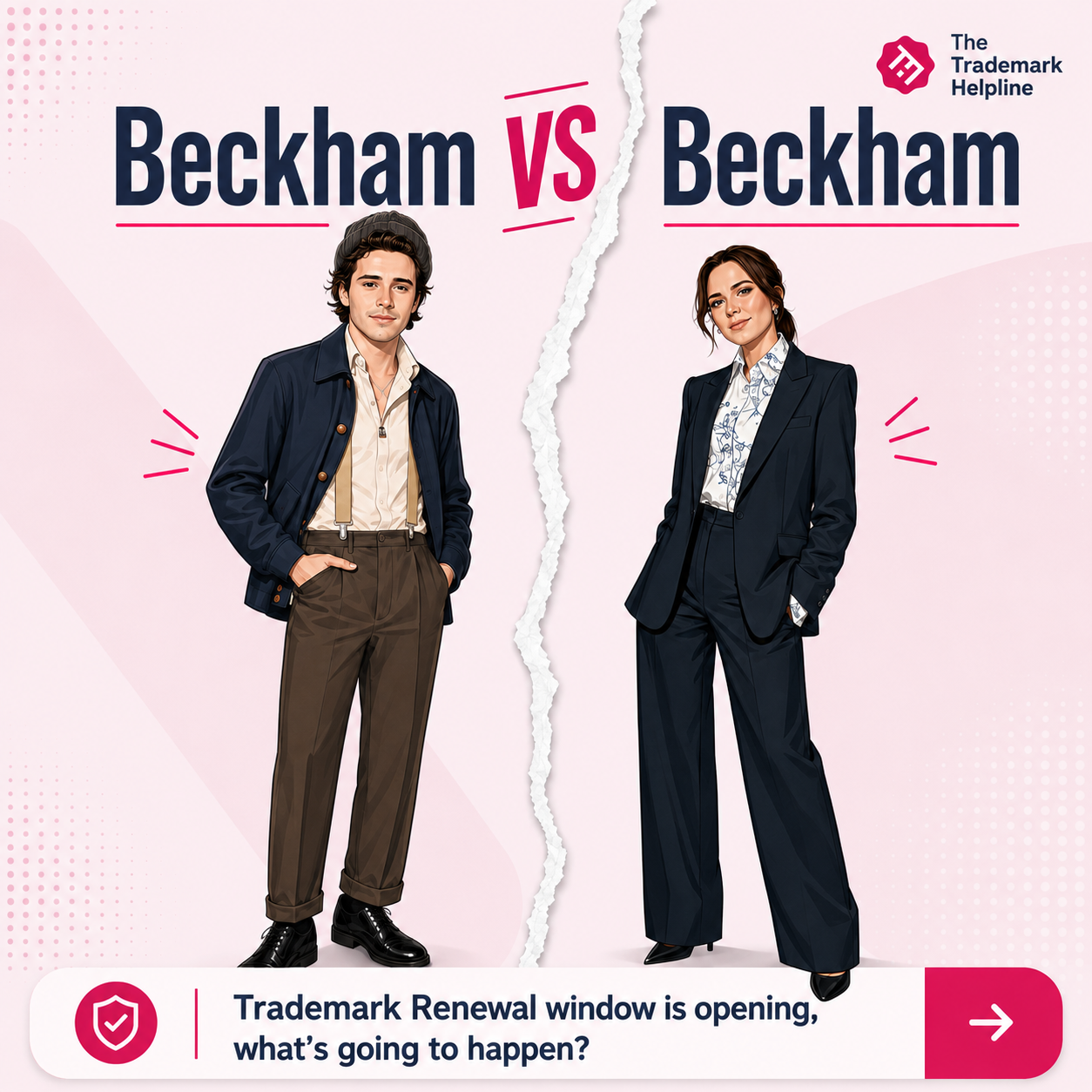
For ordinary businesses, the same principle applies. The trademark belongs to the proprietor named on the application, even where customers associate the brand with a founder, employee, family member or trading company.
How TMH helps establish the right owner
TMH does not treat the applicant’s name as an administrative detail.
As part of a Trademark Consultation and Audit, we consider:
- Who currently uses the brand.
- Who has invested in it.
- How the business is structured.
- Whether other companies or individuals will use it.
- Whether licences or assignments are required.
- Whether the brand may be sold, franchised or licensed.
- Where future ownership disputes could arise.
- Whether regulated corporate, tax or legal advice is needed.
Where the trademark is already registered, we can check whether the register reflects the intended ownership and help organise assignments, licences and registry updates.
The result is a clearer ownership structure that supports investment, licensing, enforcement, succession and sale.
The best time to settle who owns the brand is while everybody still agrees.