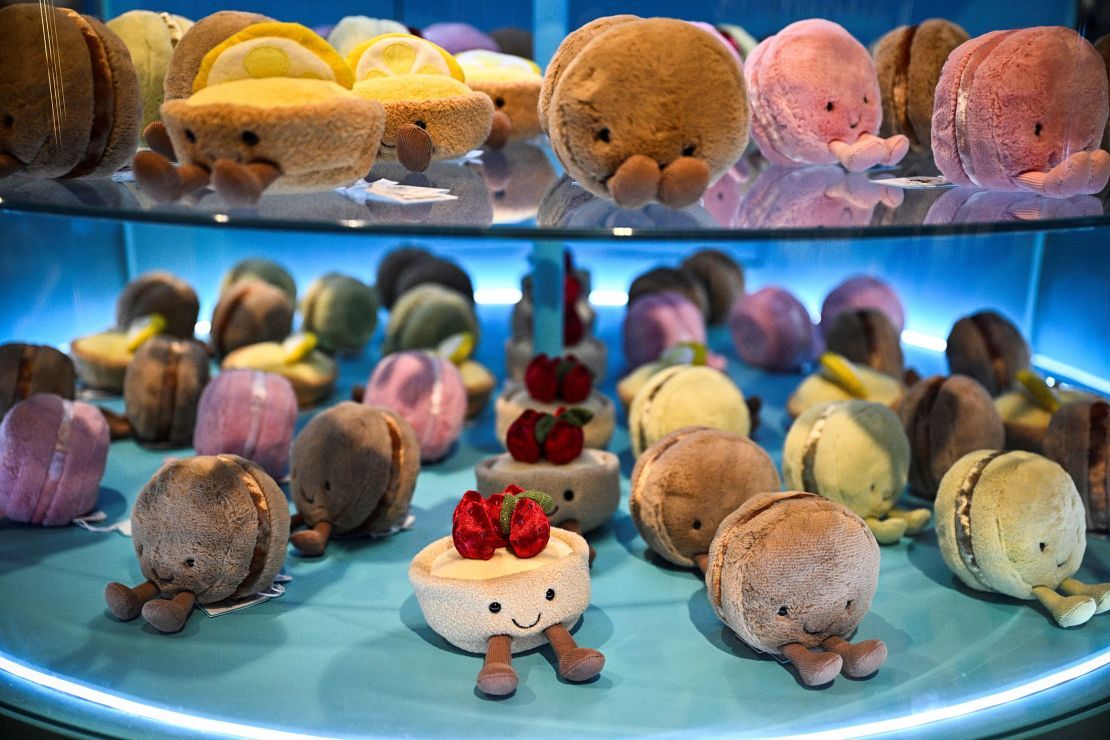
Jellycat going after major retailers is a brilliant reminder that “cute” can still be very serious business. Most people look at a Jellycat and see a soft toy. A business looks at the same thing and sees design, reputation, customer loyalty, social media value and years of carefully built brand equity. The gap between those two views is exactly where brand protection lives, and it is why a company best known for plush bunnies and smiling avocados is currently spending time in the High Court.
What Jellycat is actually doing
Jellycat has reportedly launched a string of High Court claims against well known retailers, including Next and Hamleys, as well as the online store Bessie London, over alleged copycat soft toys. The claims centre on passing off and trade mark infringement, and the key question in cases like these is usually whether the rival products share a sufficiently similar look and feel to mislead shoppers into thinking they are dealing with the real thing.
This is not Jellycat’s first move of this kind. Back in 2024 it took action against Aldi over its ‘Dexter Dragon’, relying on registered design rights, and Aldi agreed to stop selling the toy. For a brand founded in London in 1999, that willingness to enforce is a big part of how it has protected the value it has built up over more than two decades.
Why a lookalike is more than a cheaper option
To a customer, a cheaper lookalike can feel like a harmless bargain. To the brand owner, it can look like someone standing on years of product development, marketing spend and hard won goodwill, and then selling the result at a discount. That is the part of brand protection people most often miss. The value is not really in the stitching or the stuffing. It is in the recognition, the trust and the reason a shopper reaches for one brand on the shelf rather than another.
This is also why Jellycat has invested in registering its rights. It holds trade mark protection covering plush toys and related goods in the UK and beyond, and those registrations are precisely what allow it to act when it believes someone has crossed the line. Without them, a brand is left arguing about reputation alone, which is a far harder and more expensive road.
The grown up lesson behind the soft toy
A trade mark is not only about stopping someone using an identical name. Used well, it can be part of a much wider strategy to protect how your brand is recognised, remembered and trusted across everything you sell. So yes, on the surface this is a story about a cuddly toy. Underneath it is a very grown up lesson in brand protection, and one that applies to businesses of every size.
If your products have a distinctive look, a loyal following or a reputation you have worked hard to build, it is worth making sure that value is properly protected before someone else decides to borrow it. A registered UK trademark is usually the strongest foundation for doing exactly that, and the best time to put it in place is well before you ever need it.