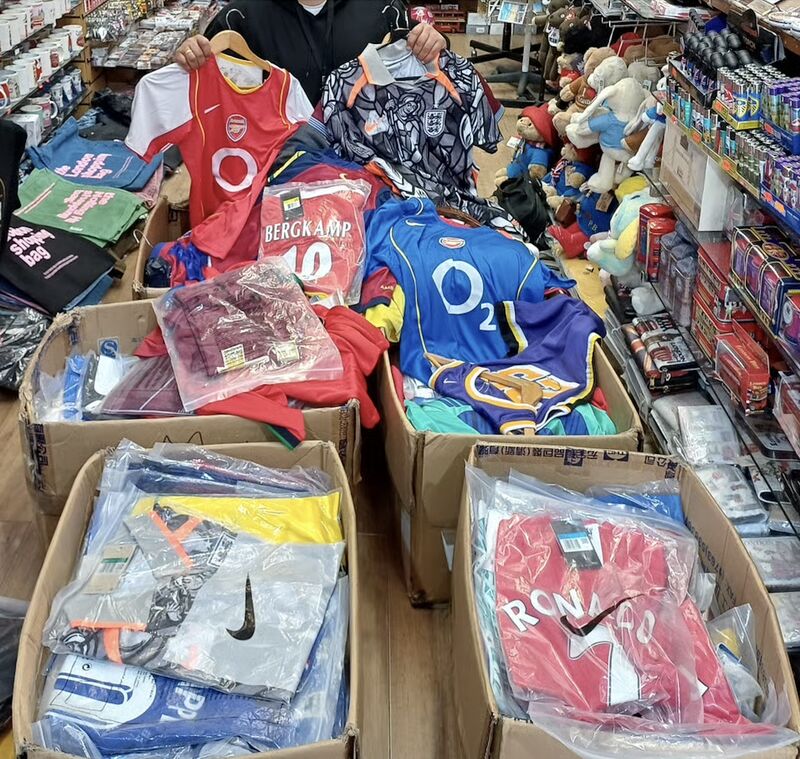
More than 66,000 fake football shirts, around 16 tonnes of them, have been seized across Spain in a single coordinated operation as the 2026 World Cup gets underway. Ninety five people have been arrested, and the estimated damage runs to something in the region of seven million euros. It is a genuinely staggering haul, and this World Cup is turning into a dream run of trademark related stories, but there is a serious point underneath the numbers that I would want every smaller brand owner to sit with for a moment.
What actually happened
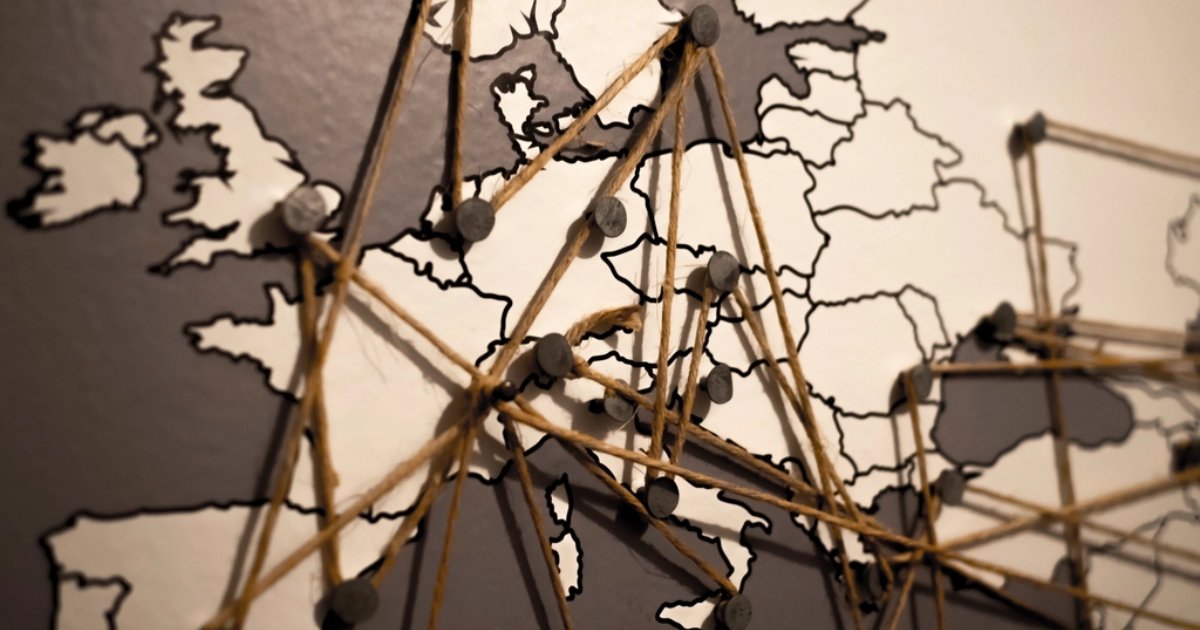
The operation was a large, multi agency effort. It was led by the Spanish National Police and supported by the European Union Intellectual Property Office, Europol, Interpol and the European Anti Fraud Office, working together to trace a counterfeiting network that was pumping cheap fakes into the market to ride the World Cup wave. Investigators identified storage and distribution hubs in the Alicante area, around Elche and Denia, with further activity tracked across cities including Madrid, Barcelona and Malaga. The fakes were destined for markets, street stalls, online marketplaces and social media, the usual quick routes to a buyer.
The shirts have been seized and the arrests have been made, but here is the part that matters for the rest of us. The whole thing hangs on one quiet fact. The badges, the club and country names and the crests printed on those shirts are registered trademarks. Strip that away and there is nothing concrete to enforce.
Enforcement at that scale is not magic
It is tempting to look at an operation like this and assume it only happens because the brands involved are enormous, with budgets and lawyers to match. The scale is certainly down to the value at stake, but the mechanism is not exclusive to the giants. Enforcement on this level is not magic. It is a registered right being used. Customs officers, online marketplaces and the courts all act on what is actually on the register, because a registration gives them a clear, legally recognised thing to point at and say “this is mine, and that is a copy”.
Without a registration, a brand owner is left trying to argue about reputation and goodwill from a standing start, which is slow, expensive and far less certain. With one, the same owner can ask a marketplace to take a listing down, instruct customs to watch for fakes, and take action through the courts on a footing that is already established. The difference between those two positions is enormous, and it usually comes down to whether the paperwork was done in advance.
The lesson for ordinary businesses
You are unlikely to be facing a 16 tonne counterfeiting operation, but the principle scales all the way down. If someone copies your product, trades off your name or floods a marketplace with cheap imitations, your ability to do something about it quickly depends almost entirely on whether you hold a registered right. A UK trademark is what turns “that is not fair” into “that is infringement”, and pairing it with proper monitoring and alerts means you actually find out when someone crosses the line, rather than stumbling across it months later.
The World Cup will keep producing headlines like this one, and most of them quietly make the same point. The brands that can act are the brands that registered first. It is a lot cheaper to put that protection in place now than to wish you had once the fakes are already on the shelves.