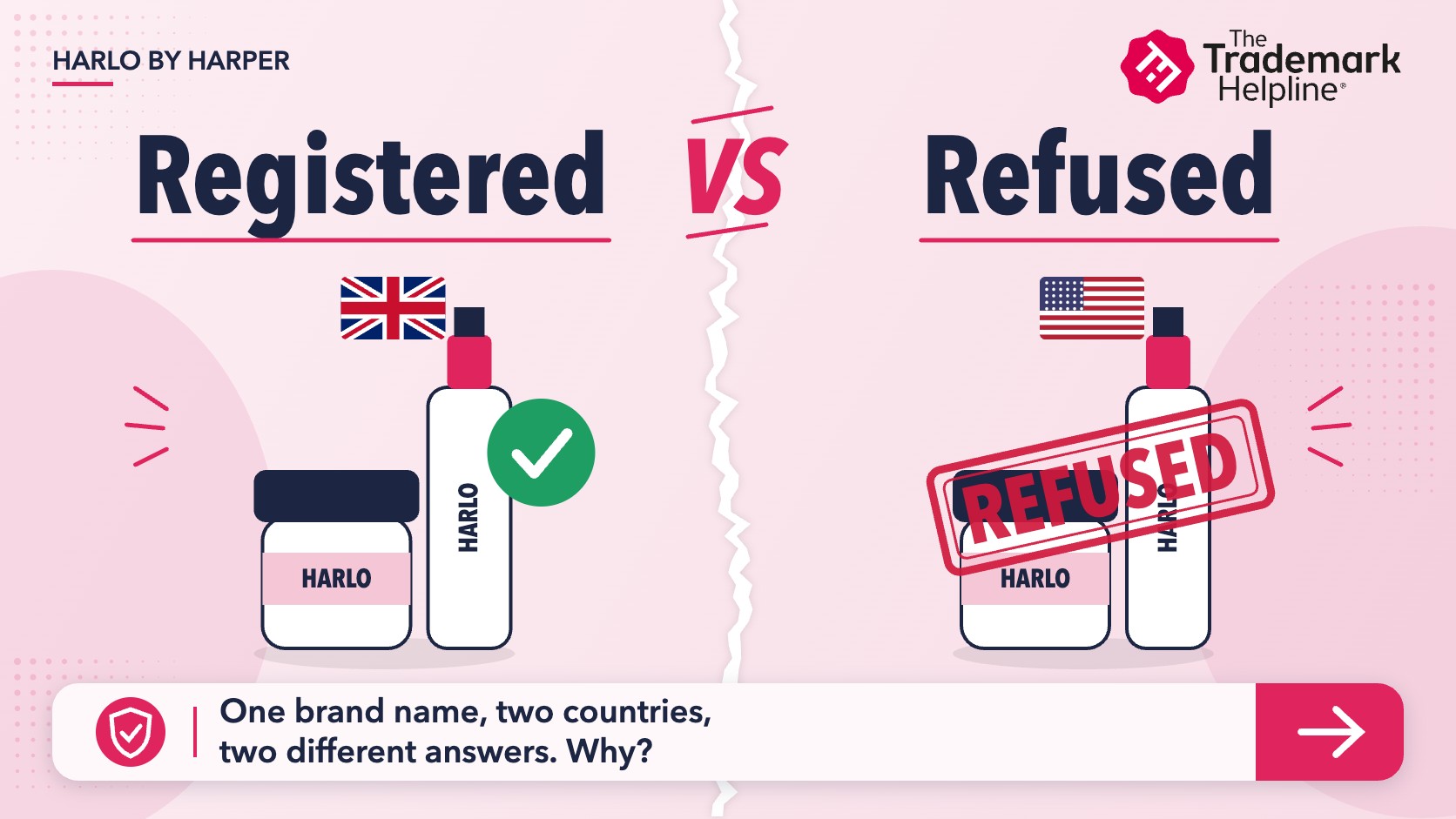











Can you still use your own name once you have sold the brand? It sounds like an odd question, but Jo Malone is facing exactly that, and it is a genuinely useful warning for anyone whose business is built around a personal name.
What the dispute is actually about
Estée Lauder has reportedly brought a UK claim against Jo Malone, her brand Jo Loves, and the UK arm of the fashion retailer Zara, over fragrance packaging and marketing connected to a ‘Jo Loves Collab’ range sold through Zara. The flashpoint is wording along the lines of “Created by Jo Malone CBE, founder of Jo Loves” appearing on the products. Estée Lauder argues that putting “Jo Malone” on a fragrance in this way goes beyond what she is permitted to do. Zara, for its part, has rejected the claim, arguing that the wording makes clear it refers to the person, Ms Jo Malone CBE, founder of Jo Loves, rather than the Jo Malone London brand, and it denies any passing off.
Why selling your name is not like selling a product
To make sense of it, you have to go back to 1999, when Jo Malone sold her original eponymous brand to Estée Lauder. When you sell a brand that is built on your own name, you are not simply selling stock and a logo. You are selling the goodwill and the rights wrapped up in that name, and as part of that deal she agreed not to use the “Jo Malone” name in certain commercial contexts, including fragrance marketing. That is precisely why she later built an entirely separate brand, Jo Loves, rather than just trading under her own name again. The current dispute is, at its heart, about whether the Zara collaboration stepped back over that line.
A trademark is far more than a logo
This is the part I would want every business owner to sit with. A trademark is not just a logo or a product name. It can include personal names, founder names, trading styles, the look of your packaging, your reputation and the way a product is presented to customers. The Jo Malone story is a vivid example, because the asset sitting at the centre of a multi party legal dispute is, in effect, a person’s own name. If a name that famous can become this complicated, it is worth assuming yours could too.
The lesson for business owners
For business owners, the lesson is simple. Before you apply for a trademark, launch a product, or build a campaign around a name, that name needs to be checked properly. That means looking at who already holds rights in it, whether any earlier agreements or registrations restrict how it can be used, and whether the way you intend to present it could be seen as trading on somebody else’s brand. This is exactly why we carry out a full brand audit before anyone commits to an application, so the awkward questions get answered up front rather than in a courtroom later. A trademark clearance audit and consultation costs a tiny fraction of what a dispute like this one will, and it is the difference between building on solid ground and quietly building on someone else’s rights.
Jo Malone will be fine either way. Most businesses caught in the same trap would not be, which is why the cheapest moment to ask ‘can we actually use this name?’ is always before you have printed it on anything.
Questions about this
What is the Jo Malone dispute with Estée Lauder about?
Estée Lauder has reportedly brought a UK claim against Jo Malone, her brand Jo Loves and the UK arm of Zara over fragrance packaging and marketing for a Jo Loves Collab range. The wording at issue is along the lines of Created by Jo Malone CBE, founder of Jo Loves. Estée Lauder argues this goes beyond what she is permitted to do, while Zara rejects the claim, says the wording refers to the person rather than the brand, and denies passing off.
 Answered by Alex Pugh, Brand Protection Consultant
Can I still use my own name after selling a brand built on it?
It depends on what the sale agreement says. Selling a brand built on your name usually means selling the goodwill and rights attached to that name, not just stock and a logo. When Jo Malone sold her original brand to Estée Lauder in 1999, she agreed not to use the name in certain commercial contexts, including fragrance marketing. It is worth checking exactly what restrictions a sale places on your name before using it again.
Answered by Alex Pugh, Brand Protection ConsultantWhat does checking a name properly before launch involve?
It means looking at who already holds rights in the name, whether any earlier agreements or registrations restrict how it can be used, and whether the way you plan to present it could be seen as trading on somebody else’s brand. A trademark can include personal names, founder names, trading styles and packaging, so the check goes wider than a simple register search. We carry out a full brand audit before anyone commits to an application.
Answered by Alex Pugh, Brand Protection Consultant