
What do Rolls Royce, Cadbury, Marmite, Twinings and the BBC all have in common?
Most people would probably say heritage. Reputation. Recognition. They would be right.
But they also all understood something many businesses still miss today. Brand protection matters.
This year marks 150 years of the UK trademark registry. That means businesses in the UK have officially been registering trademarks since 1876, when the first ever UK trademark registration was granted to the famous Bass Brewery red triangle.
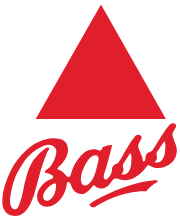
We actually covered the history of that registration in more detail in our article about Bass and the UK’s oldest trademark.
The remarkable thing is not just that the mark still exists.
It is that people still recognise it. That is what trademarks are really about.
UK Trademark Registration Is About More Than Ownership
After 17 years working in trademarks and helping manage thousands of UK trademark applications, one pattern appears over and over again.
The brands that last are rarely the ones who simply filed first. They are the ones who stayed consistent.
A UK trademark registration is not just a legal certificate. It is a commercial decision about what you are protecting, why you are protecting it and where your business is heading next.
The businesses that get the most value from their trademark are the ones who understand what the brand actually means to customers.
That is why household names such as Cadbury, Twinings and Marmite carry so much value. The trademark itself becomes shorthand for trust, consistency and reputation.
The UK Trademark Register Has Never Been More Competitive
There are now millions of active trademarks on the UK register, with hundreds of thousands of new trademark applications filed every year.
In almost every sector, businesses are competing harder than ever for attention.
That means your brand name, logo, slogan and identity are no longer just marketing tools. They are business assets.
And yet one of the biggest misconceptions we still hear is:
“I registered my company name, so I am protected.”
Unfortunately, that is not how trademark law works.
A Companies House registration and a UK trademark registration are completely different things.
One creates a company.
The other protects your brand.
Filing A UK Trademark Application Properly Matters
One of the biggest mistakes businesses make is filing a trademark application without properly considering the scope of protection.
We regularly speak to businesses who:
- Filed in the wrong class
- Missed important goods or services
- Used vague terminology
- Registered only a logo when the word mark mattered more
- Assumed one registration covered everything
- Waited until somebody else filed first
A trademark application should reflect both what your business does today and where it plans to go in the future.
For example, a clothing brand launching today may later move into retail, licensing, franchising or cosmetics. If the registration strategy does not account for that growth, problems can arise later.
That is why professional guidance on trademark classes and specifications can make a huge difference.
Strong Brands Think Long Term
Across more than 4,000 UK trademark registrations we have worked on, the strongest brands tend to share the same characteristics.
They protected early. They stayed visually consistent. They understood what made their brand commercially valuable and importantly, they continued reviewing and evolving their protection as the business grew.
Trademark registration is not the finish line. It is the foundation.
What you build on top of that registration is what creates real brand value.
Why The Trademark Helpline Still Believes In “Help”
A couple of years ago, somebody told me that The Trademark Helpline sounded dated because people do not use “helplines” anymore.
I could not disagree more. Since 2008, the goal has never changed.
The Trademark Helpline exists to provide guidance, reassurance and support to SMEs trying to navigate an area that often feels confusing, technical and unnecessarily intimidating. Whether that is Registering a UK Trademark, enforcing your trademark rights, applying overseas or defending yourself from an attack.
Because for most business owners, trademark protection is not just about forms and classifications. It is about protecting something they have spent years building.
I do not think that philosophy is outdated at all.
In fact, in a world where AI, automation and mass produced brands are becoming increasingly common, genuine trust and guidance probably matter more than ever.
Thinking About Registering A Trademark?
If you are considering a UK trademark application, or want to protect your brand with an International Registration the most important question is not simply:
“Can I register this?”
It is:
“What am I trying to protect over the next 5, 10 or 20 years?”
Because the businesses that endure rarely treat trademarks as an afterthought.
They treat them as part of the long term strategy of the business itself.
If you would like guidance on UK trademark registration, trademark applications, classes or protecting your brand properly, book a free consultation or get in touch today.