


When most businesses think about intellectual property and what they need to protect, they think of one thing: their name or their logo but it could be something else.
We thought it’d be helpful to show how big brands use IP and because we’re fans of cheeky meal deal (don’t judge us), we chose global brand McDonald’s to demonstrate.
McDonald’s don’t just protect their name with a trademark, they protect everything you see, hear, and experience.
This is just some of the Intellectual Property McDonalds own and how they use IP to build protective walls around it’s business:
- Word Marks – “McDonald’s”, “Big Mac”
Protects the name itself - Logo Marks – The Golden Arches
Protects visual identity - Series Marks – McChicken, McMuffin, McNuggets
Protects a family of product names - Slogans – “I’m Lovin’ It”
Protects how the brand communicates - Sound Marks – “ba da ba ba ba”
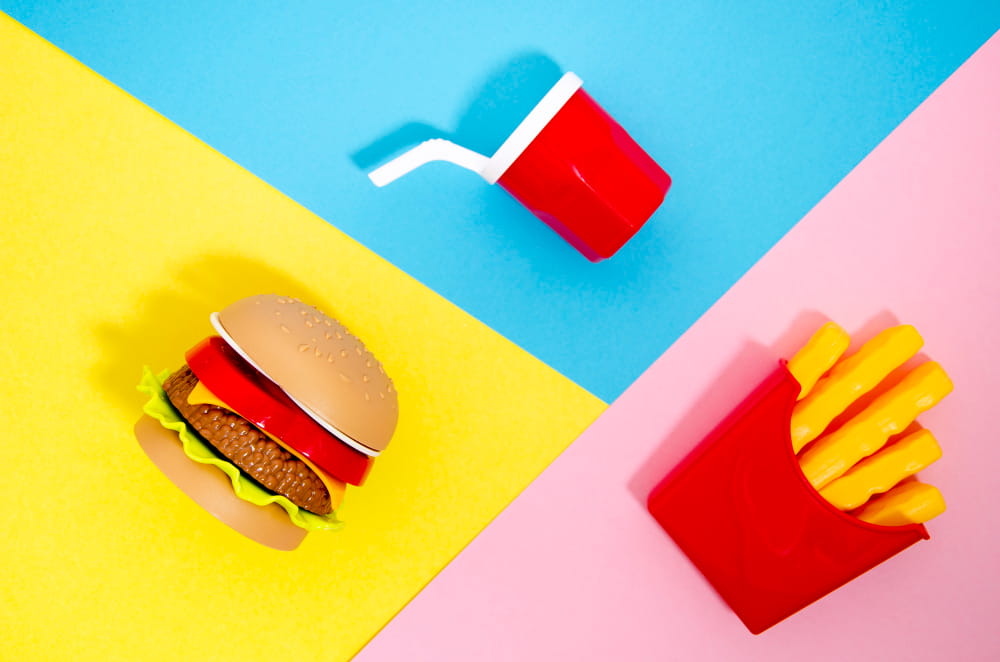
Protects recognisable audio branding - Design Rights – Packaging like the fries carton
Protects shapes and product appearance - Trade Dress – Red & yellow stores, layout, look & feel
Protects the overall brand experience - Patents – Systems behind food prep or drive-thru tech
Protects how things work
Do You Have to Protect Everything?
The short answer is no, naturally we don’t all have McDonald’s budget, so what is essential, is that you deploy your budget for IP protection where it matters most.
Many businesses only protect one element, and it can cost them.
Example 1 – The “Easy” Logo Trap
A business registers its name but not its logo.
A competitor launches with a visually similar brand, confusing customers, and there’s little legal protection.
Example 2: The Missed Product Name
A company builds a best-selling product but never trademarks the product name.
Someone else registers it, and suddenly they’re forced to rebrand or pay to license or purchase their own name.
Example 3: The Copycat Experience
A brand invests heavily in its look and feel, packaging, colours, layout.
Without protection, competitors copy their branding and piggyback of their success, stealing their vison and potentially degrading the brand value.
Example 4: The Money Back Guarantee Trap
Be very wary of trademark companies offering money back guarantees on trademark applications. If it sounds too good to be true it usually is. Often these companies guide you towards the application that will be the easiest to register (Usually Combination Marks) and not the trademark that gives you the right level of protection.
Sadly, most people, especially start-ups and SME’s, don’t realise what they needed to protect, until it’s too late.
There’s a reason why the biggest brands in the world are protecting:
- What they’re called
- What they look like
- What they sound like
- How they feel
So, the Main Question Is…
What are you not protecting right now?
Do you have valuable intellectual property:
- You didn’t realise could be protected?
- You haven’t gotten around to securing yet?
Free Guide: Protecting Your Brand Like the Big Players
We’ve created a simple, practical guide to the different types of trademarks and intellectual property you can secure, using McDonald’s as a real-world example.
👉 Download the free guide and see exactly what you could (and should) be protecting.