Filing the wrong type of trademark can leave your brand exposed in key markets and cost thousands to fix. Many businesses assume that one registration covers everywhere or that the rules are the same globally. In reality, the route you choose, whether UK, EU or international, affects your protection, costs, timelines and the risk of objections.
Here is what every business owner should know before filing.
Understanding the Basics
| Type | Covers | Filed With | Approx. Cost | Typical Timeline | Best For |
| UK Trademark | United Kingdom only | UK IPO | From £205 | 3–4 months | UK-only businesses or first stage of expansion |
| EU Trademark | All EU member states | EUIPO | From €850 | 4–6 months | Businesses trading in multiple EU countries |
| International | Selected countries within the Madrid System membership | WIPO | Varies by number of countries | 12+ months (jurisdiction dependent) | Businesses entering multiple non-EU markets at once |
Brexit and What It Means for Your Trademark
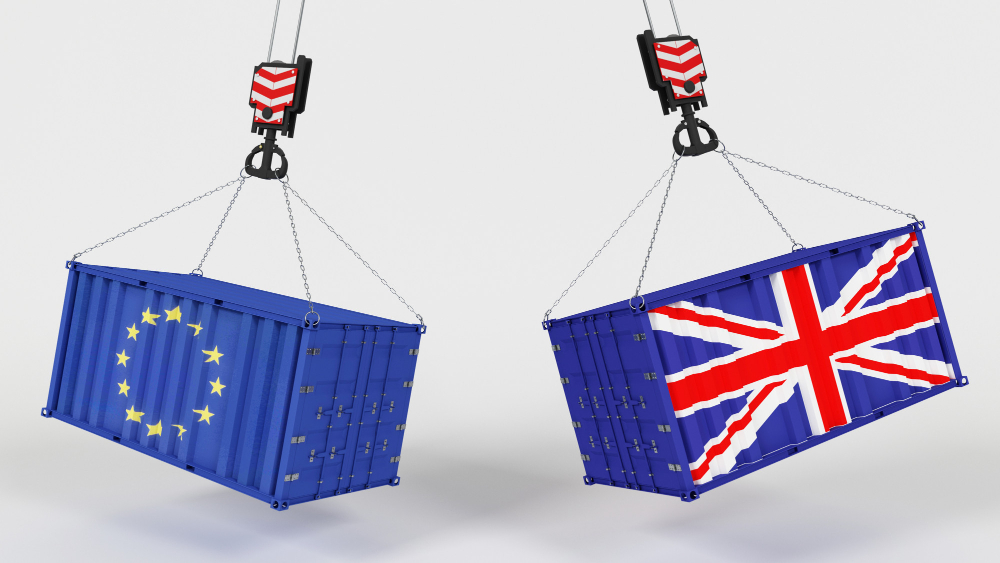
Since 1 January 2021, an EU Trademark (EUTM) no longer covers the UK. If you want the UK and the EU, you now file two separate applications.
When Brexit happened, the UK IPO created comparable UK rights for all EUTMs that existed at the time. These rights behave like normal UK registrations, including the need for separate renewals. Many business owners do not realise this until the renewal notice arrives.
Why the Terms Matter
Classes and terms are not interpreted in the same way around the world. What passes in the UK may be too broad, too vague or completely unacceptable elsewhere.
Examples include:
- The UK might accept general wording that the EU demands more detail for
- A word considered generic in one country may be distinctive in another which affects registrability
- Some countries interpret Nice Classification much more strictly which means vague wording provides little or no protection
A very common example is when a business files an international application using coaching services. Several countries then demand clarity because they want to know whether it is business coaching, fitness coaching, educational coaching or something else.
One vague word can trigger refusals, delays or additional costs. This is why the wording cannot be copied from one application to another without adjustment.
Common and Expensive Mistakes
Here are the issues we see most often:
- Filing UK wording overseas and receiving objections
- Assuming a name is clear overseas because it is available in the UK
- Filing an EUTM when the brand trades in only one or two countries which exposes the entire application to objections from any EU member
- Filing narrow specifications that cover only current activity and leave no room for future plans
- Missing translation issues or unwanted meanings in other languages
Every one of these problems is avoidable with the right planning.
Timelines, Renewals and Opposition Risks
Timelines
- UK: Usually three to four months if unopposed
- EU: Usually four to six months
- International: Often twelve months or more
Renewals
Trademarks last ten years everywhere, but each jurisdiction has its own renewal process, deadlines and fees.
Opposition risks
An EU trademark can be opposed by anyone in any EU country. You might only trade in France, but a business in Estonia could object and block the entire application.
Madrid System limits
Not all countries are members. Hong Kong, for example, requires a completely separate national filing.
How to Avoid the Pitfalls
- Do not copy UK wording into overseas filings
- Tailor every specification to local rules
- Clear the name in every market you want protection in
- Consider phased filings, starting with the UK and expanding once your brand position is secure
- Track renewals well in advance
This preparation saves time, money and frustration later.
Final Thought and Next Step
Trademark protection is not one size fits all. The route you choose should match your goals, your target markets and the direction your brand is heading. Making the wrong choice is easy. Fixing it later is expensive.
If you want reassurance that your wording is strong and that your filing strategy fits your growth plans, The Trademark Helpline can review your brand and guide you through the right route for long term protection.